
Wildlife
Key Features, Visuals, and Tips to Avoid Infestation
Identification
Colour :
Depends on the species
Size :
Depends on the species
Description :
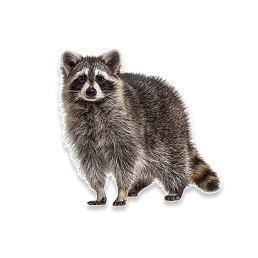
Wildlife pests can come in all shapes and sizes, and include bats, feral cats, groundhogs, opossums, moles, rabbits, raccoons, skunks, snakes, and squirrels.
Quick Links
How to Identify Bed Bugs ?
Bed bugs are small, oval-shaped pests that can grow up to 4-5 mm long when fully matured. With a flattened body, these insects have a distinctive color, ranging from rust brown to a deep reddish-brown. Due to their flattened bodies, bed bugs can easily hide in small, hard-to-reach areas such as cracks in walls, baseboards, under carpets, behind loose wallpaper, bed frames, sofas, and even behind picture frames.
Their ability to hide in tight spaces makes them particularly difficult to spot. In large infestations, you might also notice a sweet but unpleasant smell as they tend to cluster together.
Ultimate Wildlife Removal Guide
How to identify Wildlife?
Canada is home to a diverse range of wildlife, including around 26 different snake species and more than 20 types of squirrels. Wildlife pests also vary widely in the habitats they prefer.
Raccoons typically make their dens in tree cavities and caves, while skunks are often found in grasslands and forests. Rabbits favor swamps and wooded areas with plenty of ground cover for hiding or burrowing. Snakes, on the other hand, can be found in forests, prairies, deserts, marshes, and near freshwater lakes and ponds.
How to prevent Wildlife from invading?
Use tamper-resistant outdoor garbage cans and store them away from your home.
Remove bird feeders and keep pet food indoors.
Trim overhanging trees and shrubs to limit access.
Install fences both above and below ground to block entry.
Seal potential entry points, gaps, and openings around your home.
Secure spaces under decks and porches.
Add screening over vents and chimneys.
Clear away debris, brush, and other clutter.
Consider using flashing lights or sound repellents to deter animals.
Habitat, Diet, and Life Cycle
Most wildlife pests are mammals, giving birth to live young that are cared for and nursed by their mothers. Snakes, in contrast, lay eggs that hatch into offspring, while young opossums develop in their mother’s pouch until they are ready to survive on their own.
Why do I have wildlife pests?
Wildlife pests often enter homes and businesses in search of food, water, and shelter.
Raccoons are highly adaptable and frequently take up residence under porches, in garages, abandoned buildings, and barns. They will eat almost anything, from garbage and bird feeders to unattended pet food.
In some cases, wildlife invades properties to find a space similar to their natural nesting or roosting habitat. Bats, for example, typically roost under bridges, in caves, or in rock crevices. Seeking similar conditions, they may enter homes through open windows or doors, settling in attics where they may give birth to their young.
How worried should I be about wildlife pests?
Urban wildlife can become serious pests when they take up residence on your property, leading to structural damage, food contamination, and even destruction of crops.
These animals can also pose health risks, spreading diseases and potentially harming humans or pets. Skunk spray, for instance, can cause skin irritation or temporary blindness, and some snake bites can be dangerous or even deadly.
It’s important to note that wildlife control is often regulated. In many areas, it is illegal to remove a female raccoon and her young until the kits are able to leave safely with their mother.
Because of these regulations, wildlife removal should always be handled by a professional pest control service. At Wonder Pest Control, we provide environmentally responsible and humane wildlife removal solutions. Our trained technicians prioritize the safety of both people and animals, following a strict “capture and release” approach while adhering to all local wildlife regulations.
Types of Wildlife
- Bats
- Identifying Snakes
- Rabbits
- Squirrels
- Feral Cats
- Moles
- Raccoons
- Groundhogs
- Opossums
- Skunks
Quick Links
How to Identify Bed Bugs ?
Bed bugs are small, oval-shaped pests that can grow up to 4-5 mm long when fully matured. With a flattened body, these insects have a distinctive color, ranging from rust brown to a deep reddish-brown. Due to their flattened bodies, bed bugs can easily hide in small, hard-to-reach areas such as cracks in walls, baseboards, under carpets, behind loose wallpaper, bed frames, sofas, and even behind picture frames.
Their ability to hide in tight spaces makes them particularly difficult to spot. In large infestations, you might also notice a sweet but unpleasant smell as they tend to cluster together.
Key Signs of Bed Bugs
If you suspect a bed bug infestation, or want to proactively check, look out for these signs :
- Live or Dead Bugs : Check common hiding spots for visible bed bugs or their dead bodies.
- Molting Skins : As bed bugs grow, they shed their skins multiple times. These discarded exoskeletons may be visible in infested areas.
- Fecal Spots : Bed bugs leave behind small spots of reddish-black fecal matter on your mattress, box springs, or bedding after feeding.
- Eggs : Bed bugs lay tiny, off-white eggs (1/32” to 1/8” in size) in crevices near their feeding areas.
- Bites : Bed bug bites are often red and itchy, appearing in clusters or lines. However, the bites are sometimes overlooked or misdiagnosed.
How Do Bed Bugs Spread ?
Bed bugs are excellent hitchhikers. Once they infest an area, they tend to stay put but can spread due to :
- Disturbances : Activities like moving furniture or improper pesticide use can cause bed bugs to spread.
- Food Shortages : If a host is unavailable, bed bugs will migrate to neighboring rooms or apartments.
- Movement of Infested Furniture : Furniture or other infested items moved around can spread the pests.
- Vacuuming : Using a vacuum cleaner across multiple rooms can accidentally transfer bed bugs.
- Commercial Laundry : Bed bugs can spread through shared laundry facilities or machines.
What to Do if You Find Traces of Bed Bugs ?
Do Not :
- Disturb the Room Further : Leaving the area undisturbed will help us properly diagnose the problem.
- Remove Items from the Room : Moving items may spread the infestation further.
Do :
- Quarantine the Room : Avoid using the room until professional help arrives.
- Contact a Professional : Call Wonder Pest Control immediately to inspect and treat the affected area.
- Relocate Guests : If the infested area is occupied, relocate people to a clean room away from the infestation.
How to Prevent Bed Bug Infestation ?
Preventing a bed bug infestation is key to maintaining a pest-free environment. Follow these steps to reduce the risk :
- Check for Live or Dead Bugs : Inspect beds and surrounding furniture for visible bugs or their molted skins.
- Look for Red Spots : Check for reddish spots (fecal matter) on your sheets and mattress.
- Regular Cleaning : Vacuum bedrooms regularly to remove potential hiding spots and check seams, crevices, and folds for eggs or bugs.
- Use Bed Bug Covers : Protect mattresses and box springs with certified bed bug encasements.
- Inspect Furniture : Check all furniture, especially near sleeping areas, for signs of bed bugs.
- Seal Cracks and Crevices : Ensure that all cracks in walls, trim, and bed frames are sealed to prevent entry.
Understanding Bed Bugs : Habitat, Diet, and Behavior
- Lifecycle : Bed bugs undergo gradual metamorphosis, transitioning from eggs to nymphs to adults. Female bed bugs lay 200-500 eggs in her lifetime, often in dark crevices near feeding areas. Eggs hatch within 6-17 days, and the bugs can survive up to a year without feeding.
- Bed Bug Bites : Bed bug bites can result in red, itchy welts, though not everyone reacts to them. For some, the bites may cause minimal itching or no reaction at all. The common reaction includes small, itchy bumps that often appear in clusters or lines, but some may experience delayed reactions or no symptoms at all.
Commonly Asked Questions About Bed Bugs
Why Do I Have Bed Bugs?
Bed bugs are resurging in Canada, and even the cleanest homes can fall victim. These pests are attracted to the carbon dioxide and warmth humans emit, which makes them common in places like multi-unit buildings, hotels, and apartments. They hitchhike on luggage, secondhand furniture, or personal belongings like purses or laptop bags.
Why Are Bed Bugs Back?
Bed bugs never truly left. Due to factors such as increased international travel, reduced pesticide use, and the move away from older chemicals like DDT, bed bugs have made a strong comeback. Their ability to hide and spread has made them a tough pest to eliminate.
How Serious Are Bed Bugs?
Bed bugs are not just a nuisance—they reproduce rapidly, with females laying up to 500 eggs in their lifetime. In a short time, a few bed bugs can multiply into a full-blown infestation. Since adults can survive without feeding for over a year, it’s crucial to act quickly.

Residential Services
Shield Your Home from Unwanted Pests with Personalized Treatment Plans
Guaranteed Satisfaction or Your Money Back
At Wonder Pest Control, your peace of mind is our top priority. We stand behind the quality of our work with a clear and confident promise — if you’re not completely satisfied with our service, we’ll make it right.
Eliminate Pests and Prevent
Future Infestations
At Wonder Pest Control, we are dedicated to providing the best pest control services. Our experts take the time to understand your specific needs and offer solutions that prevent pests from coming back. Get a free, no-obligation estimate today for a customized pest control plan designed just for you.