
Mosquitoes
Reliable mosquito control for safer, more comfortable outdoor living.
Identification
Colour :
Grey, white, silver, green, or iridescent blue, depending on the species
Size :
Approximately 4 mm to 10 mm in length
Description :
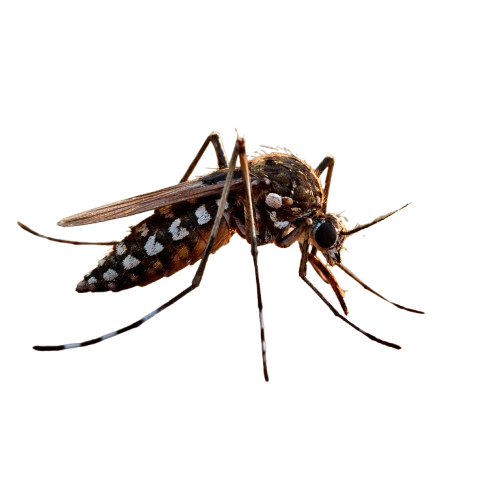
Mosquitoes have three pairs of long legs, a single pair of scaled, membranous wings, and small balancing organs called halteres attached to the thorax.
Notes :
Certain mosquito species feature brightly coloured or patterned wings that make them visually distinctive.
Quick Links
How to Identify Bed Bugs ?
Bed bugs are small, oval-shaped pests that can grow up to 4-5 mm long when fully matured. With a flattened body, these insects have a distinctive color, ranging from rust brown to a deep reddish-brown. Due to their flattened bodies, bed bugs can easily hide in small, hard-to-reach areas such as cracks in walls, baseboards, under carpets, behind loose wallpaper, bed frames, sofas, and even behind picture frames.
Their ability to hide in tight spaces makes them particularly difficult to spot. In large infestations, you might also notice a sweet but unpleasant smell as they tend to cluster together.
Ultimate Bed Bug Control Guide
How to Identify Mosquitoes by Appearance
Adult mosquitoes, like all insects, have three main body sections: the head, thorax, and abdomen. Attached to the thorax are three pairs of long legs, a single pair of thin, scaled wings, and small balancing structures known as halteres. The size, colour, and pattern of wing scales vary by species, with some mosquitoes displaying bright or distinctive markings.
Mosquitoes typically have slender bodies with long legs and measure between 4 and 10 mm in length. The head features a beak-like mouthpart used for feeding. In female mosquitoes, this mouthpart is adapted into a sharp, needle-like structure called a stylet, which allows them to pierce skin and feed on blood. Male mosquitoes can be distinguished by their long, feathery antennae, while females have shorter antennae with fine hairs.
Signs of Mosquito Activity
One of the most noticeable signs of mosquito presence is the high-pitched buzzing sound made by female mosquitoes during flight, often followed by itchy bites. Adult mosquitoes may also be seen resting on walls, plants, or shaded surfaces during the daytime.
Another clear indicator of mosquito activity is the presence of immature stages in standing water. Mosquito larvae, commonly called “wrigglers,” are often found in stagnant water and may appear attached to vegetation or debris. When disturbed, they quickly dive below the surface. Alongside the larvae, comma-shaped pupae — known as “tumblers” — may also be present. The discovery of these stages confirms active mosquito breeding nearby.
How to Help Prevent Mosquito Activity
Reducing mosquito populations starts with eliminating standing water where mosquitoes breed. Remove or regularly empty containers that collect water, drain bird baths and decorative planters, and fill unused ditches or low areas that retain moisture. Keep ponds and fountains clean and properly maintained to prevent larvae from developing.
Managing vegetation is also important. Trim tall grass and dense plants where mosquitoes rest, and ensure storm drains and catch basins are properly maintained. Personal protection, such as wearing insect repellent and covering exposed skin with protective clothing, can further reduce mosquito bites.
Mosquito Habitats and Living Areas
Mosquitoes prefer to breed in still or stagnant water, as flowing water such as streams and rivers can wash away eggs, larvae, and pupae. Common breeding sites include storm drains, flooded areas, tree cavities, discarded tires, bird baths, plant saucers, and any location where water remains undisturbed for more than a few days.
Adult mosquitoes typically rest in tall grass, shrubs, or other shaded and protected areas near water sources when they are not actively searching for hosts. They are generally more active in shaded or overcast conditions and are less commonly found in areas exposed to direct sunlight.
What Do Mosquitoes Feed On?
Both male and female mosquitoes rely on sugar-based food sources for energy, including plant nectar, fruit juices, honeydew, and other plant secretions. Female mosquitoes, however, also require blood to produce eggs, which is why only females bite humans and animals.
Mosquito host preference varies by species, availability, and environment. Depending on these factors, mosquitoes may feed on mammals, birds, reptiles, or amphibians. In northern and Arctic regions, many mosquito species primarily target warm-blooded animals. Mosquito larvae feed in aquatic environments, consuming microscopic organisms such as algae, bacteria, fungi, and organic debris suspended in the water.
Mosquito Life Span and Development
Mosquitoes go through a complete life cycle consisting of four stages: egg, larva, pupa, and adult. Egg laying occurs either individually or in grouped formations known as egg rafts, placed directly on standing water or on damp surfaces near water sources. Some eggs hatch quickly when laid on shallow water, emerging within two to three days. Others require a dry period lasting days or even weeks before hatching once they are flooded with water.
After hatching, mosquito larvae — commonly called wrigglers — emerge and live entirely in water. These larvae move with a wriggling motion and progress through four growth stages, known as instars, before developing into pupae. This larval phase typically lasts about seven days. Larvae can grow up to 15 mm in length and feed on algae and organic matter found in the water. Unlike adult mosquitoes, larvae are strictly aquatic and can survive in any location where water remains present for several days, including ponds, flooded areas, rain barrels, and bird baths.
Commonly Asked Questions About Mosquitoes
Should I Be Concerned About Mosquitoes?
Mosquitoes are more than just an irritating pest. Their bites can cause itchy, painful swelling, and some species are capable of transmitting serious pathogens. These include organisms linked to diseases such as malaria, West Nile virus, various encephalitis viruses, and heartworm in dogs.
Mosquitoes may have short life spans, but they reproduce at an extremely rapid rate. Female mosquitoes can lay hundreds of eggs every few days, allowing populations to grow quickly. To effectively disrupt their life cycle and control ongoing mosquito activity, professional pest management is often necessary.
Why Are Mosquitoes Biting Me?
Only female mosquitoes bite humans and animals. They require a blood meal to obtain the proteins needed for egg development. Certain factors can make individuals more attractive to mosquitoes, including:
Dark colours: Wearing dark clothing or having darker surfaces may attract mosquitoes, as darker colours tend to retain heat.
Sweating: People who perspire heavily produce scents and moisture that mosquitoes find appealing.
Body heat and carbon dioxide: Larger body size can result in higher heat and CO₂ output, which mosquitoes use to locate hosts.
Blood type: Some studies suggest individuals with blood type O may be bitten more frequently than others.
Other pests related to Mosquitoes
- Centipedes
- Bat bugs
- Crickets
- Leaf footed bugs
- Millipedes
- Silverfish
- Stink bugs
- Wasps
- Boxelder bugs
- Aphids
- Earwigs
- Lice
- Plant bugs
- Sowbugs
- Termites
- Weevils
- Booklice (Barklice)
- Chinch bugs
- Hornets
- Masked hunters
- Pseudoscorpions
- Springtails
- Ticks
- Fleas
Quick Links
How to Identify Bed Bugs ?
Bed bugs are small, oval-shaped pests that can grow up to 4-5 mm long when fully matured. With a flattened body, these insects have a distinctive color, ranging from rust brown to a deep reddish-brown. Due to their flattened bodies, bed bugs can easily hide in small, hard-to-reach areas such as cracks in walls, baseboards, under carpets, behind loose wallpaper, bed frames, sofas, and even behind picture frames.
Their ability to hide in tight spaces makes them particularly difficult to spot. In large infestations, you might also notice a sweet but unpleasant smell as they tend to cluster together.
Key Signs of Bed Bugs
If you suspect a bed bug infestation, or want to proactively check, look out for these signs :
- Live or Dead Bugs : Check common hiding spots for visible bed bugs or their dead bodies.
- Molting Skins : As bed bugs grow, they shed their skins multiple times. These discarded exoskeletons may be visible in infested areas.
- Fecal Spots : Bed bugs leave behind small spots of reddish-black fecal matter on your mattress, box springs, or bedding after feeding.
- Eggs : Bed bugs lay tiny, off-white eggs (1/32” to 1/8” in size) in crevices near their feeding areas.
- Bites : Bed bug bites are often red and itchy, appearing in clusters or lines. However, the bites are sometimes overlooked or misdiagnosed.
How Do Bed Bugs Spread ?
Bed bugs are excellent hitchhikers. Once they infest an area, they tend to stay put but can spread due to :
- Disturbances : Activities like moving furniture or improper pesticide use can cause bed bugs to spread.
- Food Shortages : If a host is unavailable, bed bugs will migrate to neighboring rooms or apartments.
- Movement of Infested Furniture : Furniture or other infested items moved around can spread the pests.
- Vacuuming : Using a vacuum cleaner across multiple rooms can accidentally transfer bed bugs.
- Commercial Laundry : Bed bugs can spread through shared laundry facilities or machines.
What to Do if You Find Traces of Bed Bugs ?
Do Not :
- Disturb the Room Further : Leaving the area undisturbed will help us properly diagnose the problem.
- Remove Items from the Room : Moving items may spread the infestation further.
Do :
- Quarantine the Room : Avoid using the room until professional help arrives.
- Contact a Professional : Call Wonder Pest Control immediately to inspect and treat the affected area.
- Relocate Guests : If the infested area is occupied, relocate people to a clean room away from the infestation.
How to Prevent Bed Bug Infestation ?
Preventing a bed bug infestation is key to maintaining a pest-free environment. Follow these steps to reduce the risk :
- Check for Live or Dead Bugs : Inspect beds and surrounding furniture for visible bugs or their molted skins.
- Look for Red Spots : Check for reddish spots (fecal matter) on your sheets and mattress.
- Regular Cleaning : Vacuum bedrooms regularly to remove potential hiding spots and check seams, crevices, and folds for eggs or bugs.
- Use Bed Bug Covers : Protect mattresses and box springs with certified bed bug encasements.
- Inspect Furniture : Check all furniture, especially near sleeping areas, for signs of bed bugs.
- Seal Cracks and Crevices : Ensure that all cracks in walls, trim, and bed frames are sealed to prevent entry.
Understanding Bed Bugs : Habitat, Diet, and Behavior
- Lifecycle : Bed bugs undergo gradual metamorphosis, transitioning from eggs to nymphs to adults. Female bed bugs lay 200-500 eggs in her lifetime, often in dark crevices near feeding areas. Eggs hatch within 6-17 days, and the bugs can survive up to a year without feeding.
- Bed Bug Bites : Bed bug bites can result in red, itchy welts, though not everyone reacts to them. For some, the bites may cause minimal itching or no reaction at all. The common reaction includes small, itchy bumps that often appear in clusters or lines, but some may experience delayed reactions or no symptoms at all.
Commonly Asked Questions About Bed Bugs
Why Do I Have Bed Bugs?
Bed bugs are resurging in Canada, and even the cleanest homes can fall victim. These pests are attracted to the carbon dioxide and warmth humans emit, which makes them common in places like multi-unit buildings, hotels, and apartments. They hitchhike on luggage, secondhand furniture, or personal belongings like purses or laptop bags.
Why Are Bed Bugs Back?
Bed bugs never truly left. Due to factors such as increased international travel, reduced pesticide use, and the move away from older chemicals like DDT, bed bugs have made a strong comeback. Their ability to hide and spread has made them a tough pest to eliminate.
How Serious Are Bed Bugs?
Bed bugs are not just a nuisance—they reproduce rapidly, with females laying up to 500 eggs in their lifetime. In a short time, a few bed bugs can multiply into a full-blown infestation. Since adults can survive without feeding for over a year, it’s crucial to act quickly.

Residential Services
Shield Your Home from Unwanted Pests with Personalized Treatment Plans
Guaranteed Satisfaction or Your Money Back
At Wonder Pest Control, your peace of mind is our top priority. We stand behind the quality of our work with a clear and confident promise — if you’re not completely satisfied with our service, we’ll make it right.
Eliminate Pests and Prevent
Future Infestations
At Wonder Pest Control, we are dedicated to providing the best pest control services. Our experts take the time to understand your specific needs and offer solutions that prevent pests from coming back. Get a free, no-obligation estimate today for a customized pest control plan designed just for you.