Frequently Asked Questions: Commercial Pigeon Control & Removal
Why is pigeon control important for businesses?
Pigeons can create several problems for commercial properties if they are not managed properly. Their droppings are acidic and may damage building materials such as metal, concrete, paint, and signage. In addition, accumulated droppings and nesting debris can create unsanitary conditions around entrances, rooftops, and walkways.
Pigeons may also pose safety risks by making surfaces slippery or blocking ventilation systems. Implementing professional pigeon control measures helps protect your building, maintain cleanliness, and preserve your business reputation.
What types of properties commonly require pigeon control services?
Many commercial properties attract pigeons because they provide flat surfaces and sheltered spaces suitable for nesting. Businesses and facilities that often require pigeon management include:
Warehouses and distribution centers
Supermarkets and grocery stores
Food production and processing plants
Retail complexes and shopping plazas
Industrial facilities and manufacturing plants
Transportation hubs such as airports and transit stations
Hotels, motels, and hospitality properties
Hospitals and healthcare buildings
Universities, colleges, and educational campuses
Office towers and high-rise buildings
Condominium and apartment complexes
Any building with ledges, roof structures, loading docks, or open architectural spaces may experience pigeon activity.
What health risks are associated with pigeons?
Pigeons and their droppings can carry bacteria, fungi, and parasites that may pose health risks to humans. For example:
Histoplasmosis – a respiratory infection caused by inhaling fungal spores found in bird droppings
Cryptococcosis – another fungal infection associated with contaminated droppings
Salmonella – bacteria that may contaminate surfaces and food products
Bird nesting materials can also attract pests such as mites, ticks, and fleas, which may spread to nearby areas.
How are pigeons controlled or removed from commercial properties?
Professional pigeon management programs typically involve several steps to ensure effective and long-lasting results. These may include:
Inspection: Identifying nesting locations, feeding areas, and entry points
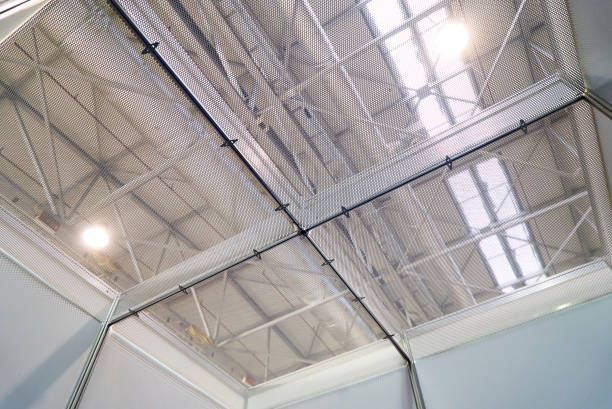
Exclusion: Installing physical barriers such as bird netting, spikes, or sloped panels to block access
Deterrents: Using visual, sound-based, or surface deterrents that discourage birds from returning
Cleaning and sanitation: Removing droppings and nesting debris while disinfecting contaminated areas
Ongoing monitoring: Conducting regular inspections to ensure continued protection
These strategies work together to prevent pigeons from nesting and roosting on the property.
Are pigeon control methods safe and humane?
Yes. Modern bird control programs focus on humane and non-lethal methods whenever possible. Most solutions rely on exclusion systems and deterrents that simply prevent birds from landing or nesting in certain areas.
In situations where removal is necessary, professionals follow local wildlife regulations and ethical guidelines to ensure safe and responsible management.
Can pigeon control be performed on high-rise buildings?
Yes. Professional pest control technicians are trained and equipped to handle pigeon management on tall structures and rooftop areas.
Specialized equipment and safety procedures allow technicians to install deterrents and perform inspections in locations such as building façades, rooftops, ledges, and other elevated structures.
What are the signs of a pigeon infestation?
Several indicators may suggest that pigeons are nesting or roosting on your property. Common signs include:
Large amounts of droppings on ledges, sidewalks, or rooftops
Nesting materials such as twigs and debris in gutters or vents
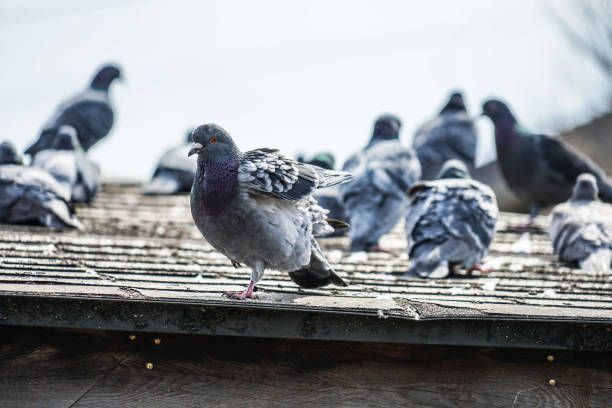
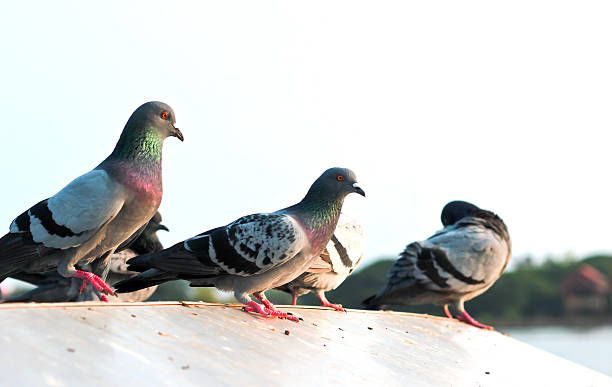
Groups of pigeons gathering regularly around the building
Stains or corrosion on building surfaces
Complaints from employees, tenants, or customers about birds
Early detection helps prevent the problem from becoming more severe.
How long does it take to resolve a pigeon problem?
The time required to address a pigeon infestation depends on factors such as the size of the property, the number of birds present, and the control methods used.
Some deterrent systems can be installed quickly, while larger facilities may require a multi-step program to achieve long-term results.
Will pigeon control affect daily business operations?
In most cases, pigeon deterrent systems can be installed with minimal disruption to your operations. Many installations are completed quickly and can be scheduled outside peak business hours if necessary.
Professional technicians take care to ensure that services are carried out safely and efficiently.
Are long-term pigeon management programs available?
Yes. Many businesses choose ongoing service plans that include routine inspections, maintenance of installed deterrents, and activity monitoring.
Regular service helps ensure that pigeon control systems continue to function properly and prevents birds from returning.
How can I request pigeon control services?
The first step is scheduling a professional inspection. A pest control specialist will evaluate your property, identify areas where pigeons are nesting or gathering, and recommend the most effective control solutions.
Wonder Pest Control provides customized pigeon management plans designed to protect commercial properties and maintain clean, bird-free environments.
Contact Wonder Pest Control today to schedule an inspection and receive a tailored pigeon control solution for your facility.