
Cockroaches
Protecting your home from unwanted pests and preventing them from returning guaranteed.
Identification
Colour :
Black to reddish-brown
Size :
Approximately 1 cm to 5 cm long, depending on the species
Description :
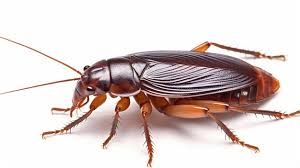
All cockroaches have long antennae, six spiny legs, and a flattened oval-shaped body, and although most species in Canada have wings, they cannot fly long distances.
Ultimate Cockroaches Control Guide
How Can You Eliminate Cockroaches from Your Home?
Getting rid of cockroaches requires more than just surface cleaning. These pests hide in cracks, drains, cabinets, and behind appliances, making them difficult to control without the right approach.
The most reliable and long-lasting solution is to seek professional cockroach control services. At Wonder Pest Control, our technicians use targeted treatments to eliminate cockroaches at their source and stop the infestation from spreading.
Once the active infestation has been treated, proper cleaning is essential. This includes removing food debris, sanitizing kitchen surfaces, wiping cabinets and shelves, vacuuming floors, and cleaning behind large appliances like refrigerators and stoves. Washing fabrics, curtains, and other materials can also help remove hidden contaminants.
To prevent future infestations, it is important to:
- Maintain regular cleaning habits
- Store food in sealed containers
- Dispose of garbage properly
- Seal cracks and gaps in walls, floors, and around pipes
How Can You Prevent Cockroaches in Your Home?
Preventing cockroaches starts with maintaining a clean and well-maintained living environment. These pests are attracted to food, moisture, and hidden shelter areas, so reducing these factors can significantly lower the risk of infestation.
Here are some practical steps to help keep cockroaches away:
- Maintain regular sweeping and vacuuming to remove food particles and debris
- Store dry goods and leftovers in airtight containers
- Keep kitchen cabinets and storage areas dry and moisture-free
- Reduce indoor humidity levels if necessary
- Wipe up spills and crumbs immediately
- Dispose of household waste daily and keep bins covered
- Avoid leaving dirty dishes in the sink overnight
- Seal cracks, gaps, and openings in walls, floors, and around doors
- Repair leaking taps, pipes, and plumbing issues promptly
How to Identify Cockroaches?
Cockroaches can vary in size and appearance depending on the species, but there are several common features that make them easy to recognize.
Adult cockroaches typically measure between 1 to 5 centimetres in length. Their colour usually ranges from dark brown to reddish-brown, and some species may appear almost black. While many types of cockroaches have wings, most household species rarely fly and may only glide short distances if disturbed.
They have:
- Long, thin antennae
- Six strong, spiny legs
- A flat, oval-shaped body
Their flattened body structure allows them to squeeze into tight cracks, crevices, and narrow gaps in walls, cabinets, and appliances. This is why they are often found hiding in hard-to-reach areas.
Young cockroaches, known as nymphs, resemble smaller versions of adults but do not have fully developed wings. As they grow, they shed their outer skin multiple times before reaching maturity.
If you notice signs of cockroach activity, early identification and professional treatment from Wonder Pest Control can help prevent a larger infestation.
Common Types of Cockroaches Found Indoors
There are thousands of cockroach species around the world, but only a small number are known to invade homes and commercial buildings. These pests prefer warm, humid environments and often move indoors in search of food, shelter, and moisture.
Some of the most commonly encountered cockroach species inside buildings include:
- German Cockroach – One of the most widespread indoor species, commonly found in kitchens and bathrooms.
- American Cockroach – Larger in size and often found in basements, drains, and commercial spaces.
- Oriental Cockroach – Typically found in damp, dark areas such as crawl spaces and under sinks.
- Brown-Banded Cockroach – Known for hiding in furniture, cabinets, and higher areas of rooms.
- Wood Cockroach – More commonly found outdoors but may occasionally enter homes.
What Are the Signs of Cockroach Activity?
Cockroaches are nocturnal pests and often remain hidden during the day, which means infestations can grow before homeowners even notice them. Recognizing early warning signs is important to prevent the problem from spreading.
Common signs of cockroach activity include droppings, unpleasant odours, shed skins, smear marks, and occasional live sightings — especially at night.
What Do Cockroach Droppings Look Like?
Cockroach droppings vary depending on the size and species of the insect.
- Smaller species leave behind droppings that resemble ground coffee or black pepper. These tiny particles are often found in kitchen drawers, cabinets, shelves, and along wall edges. You may also notice small dark smear marks in areas where they hide or travel.
- Larger species produce droppings that look similar to small rodent droppings, though usually slightly smaller in size. The texture and shape can differ depending on the species.
Health Concerns from Cockroach Droppings
Cockroach waste is not just unpleasant — it can also pose health risks. Their droppings contain allergen proteins that may affect indoor air quality when disturbed. These allergens can trigger coughing, sneezing, skin irritation, and may worsen asthma symptoms, particularly in children and sensitive individuals.
Because of these risks, professional cleaning and treatment are strongly recommended after an infestation.
Do Cockroaches Make Noise?
Most common household cockroach species are generally quiet and do not produce noticeable sounds. In large infestations, you might occasionally hear faint movement or fluttering if they are disturbed.
Unlike some exotic species that can produce hissing sounds, the cockroaches typically found inside homes do not communicate vocally. Instead, they rely on chemical signals (pheromones) to interact with one another.
If you suspect cockroach activity in your home, early intervention by Wonder Pest Control can help eliminate the infestation before it becomes severe.
What Are the Signs of a Cockroach Allergy?
Some people have immune systems that react strongly to everyday substances like dust, pollen, or pet dander. Cockroaches can also trigger allergic reactions in sensitive individuals. In homes with ongoing infestations, exposure to cockroach particles may lead to noticeable health symptoms.
Common Allergic Reactions
Cockroach allergens are found in their droppings, saliva, shed skins, and body fragments. These tiny particles can mix with household dust and become airborne, especially in heavily infested areas.
People who are sensitive to these allergens may experience:
- Nasal congestion or runny nose
- Sneezing and sinus pressure
- Itchy or watery eyes
- Skin rashes or irritation
- Scratchy or sore throat
Connection Between Cockroaches and Asthma
Cockroach allergens are known to worsen asthma symptoms in individuals who already have the condition. Exposure can trigger coughing, wheezing, chest tightness, and breathing difficulties.
Children are particularly vulnerable because they often have higher exposure to indoor allergens and developing immune systems. In environments where cockroach infestations are common, the risk of respiratory issues may increase.
Reducing cockroach populations through professional treatment can significantly improve indoor air quality and lower the risk of allergy-related health concerns.
If you suspect cockroach activity in your home, Wonder Pest Control can provide thorough inspection and effective treatment to help protect your family’s health.
What Are Common Steps to Remove Cockroaches?
Cockroaches can infest both commercial properties and homes. In Canada, the most common domestic species include the German cockroach (Blattella germanica), American cockroach (Periplaneta americana), Brown-banded cockroach (Supella longipalpa), and Oriental cockroach (Blatta orientalis). These pests can spread disease-causing germs by crawling over food preparation surfaces and may also trigger allergies that can lead to asthma.
Home remedies for trapping and eliminating cockroaches have been used for years and may include sticky traps and jar traps. Additionally, properly labeled and registered pest control products for household use are widely available in stores. These products come in various forms such as aerosol sprays, baits, and dusts. Always read and follow the product label instructions carefully before application.
Baiting
Baiting is considered the most effective and safest method of cockroach control. However, successful treatment requires placing multiple bait stations correctly. Baits should be positioned in harborage and foraging areas, near entry points, and along common travel routes. Avoid placing baits in open, exposed, extremely hot, or damp locations. Replace baits as needed to maintain effectiveness.
Aerosol Sprays and Dusts
For quick knockdown of visible cockroaches, homeowners may use aerosol insecticide sprays labeled for domestic use. Before applying sprays, remove kitchen and bathroom items that could become contaminated. Applying dusts or sprays thoroughly into cracks, crevices, behind appliances, and under sinks can help eliminate active cockroaches and prevent future infestations.
Traps
Traps are generally the least effective control method. These devices typically have openings at both ends and are lined with adhesive to capture cockroaches. While they may not eliminate infestations, traps are useful for monitoring pest activity and determining infestation levels.
What to Avoid
Homeowners should avoid using foggers, bombs, and improperly applied commercial insecticides. Misuse can lead to cockroach resistance, altered pest behavior, and increased difficulty in controlling the infestation. Improper application may also pose safety risks.
Professional Pest Control
Although store-bought and home remedies may provide short-term relief, complete elimination often requires professional assistance. Hiring trained pest control professionals remains the most reliable and effective way to fully eradicate cockroach infestations and prevent recurrence.
Where Do Cockroaches Live?
Cockroaches are highly adaptable insects that can survive anywhere food, moisture, and warmth are available. They frequently enter human-occupied buildings in search of warm, damp environments close to reliable food and water sources.
Inside homes and commercial buildings, cockroaches are commonly found in:
- Basements
- Bathrooms
- Kitchens
- Greenhouses
- Laundry rooms
- Areas with sewer pipes or plumbing systems
These locations provide the humidity and shelter cockroaches need to thrive. Because they originated in tropical climates, cockroaches prefer spaces with consistent warmth and high moisture levels.
Cockroaches are also nocturnal, meaning they hide during the day and become active at night. During daylight hours, they typically conceal themselves in cracks, crevices, behind appliances, inside cabinets, and within wall voids. When exposed to light or disturbance, they move quickly and can easily travel from one room to another in search of food or safer hiding spots.
What Do Cockroaches Eat?
Cockroaches are omnivorous scavengers, meaning they will eat almost anything available to them. Their diet varies depending on whether they are living outdoors or indoors.
Outdoors
In their natural environment, cockroaches mainly feed on:
- Dead or decaying plant material
- Rotting wood
- Fallen leaves
- Other organic matter
Indoors
When cockroaches enter homes or buildings, their food options greatly expand. They will consume a wide range of household items, including:
- Pantry foods (bread, cereals, grains)
- Sugary foods and sweets
- Greasy residues and crumbs
- Pet food
- Glue
- Leather and fabric
- Soap
- Toothpaste
- Paper and cardboard
Survival Ability
Cockroaches are extremely resilient insects. They can survive for weeks without food and for extended periods with very limited water. However, they are strongly drawn to areas where moisture and food are easily accessible, which is why kitchens and bathrooms are common infestation sites.
Because of their broad diet and survival skills, proper sanitation and food storage are key steps in preventing infestations.
How Long Can a Cockroach Live?
Most cockroaches live for up to one year, depending on the species and environmental conditions. During that time, female cockroaches can produce 100 to 200 eggs, allowing infestations to grow rapidly if left untreated.
Eggs
Adult female cockroaches produce eggs inside a protective case called an ootheca.
- Each ootheca contains 16 to 50 eggs, depending on the species.
- A female may produce 4 to 30 oothecae during her lifetime.
- Egg cases are usually placed in hidden, protected locations.
- Some species carry the ootheca attached to their body until the eggs are ready to hatch.
Nymphs
After an incubation period of up to two to three months, the eggs hatch into immature cockroaches called nymphs.
- Nymphs are born without wings.
- They grow through a process called metamorphosis.
- As they grow, they shed their outer skin in stages called molts.
- The time between each molt is known as an instar.
- Most cockroaches complete six to seven instars before reaching adulthood.
Complete Life Cycle
The full cockroach life cycle—from egg to adult—typically takes four months to one year.
Environmental factors such as temperature, humidity, and food availability greatly affect development speed. Warmer, humid environments allow cockroaches to grow and reproduce more quickly, which is why indoor infestations can expand rapidly.
Understanding their life cycle is essential for effective control, as treatments often need to target both adults and newly hatched nymphs.
Commonly Asked Questions About Cockroache
Should I Be Worried About Cockroaches?
Yes. Cockroaches create unsanitary conditions and can pose health risks to humans.
They may:
- Contaminate food and cause food poisoning
- Trigger allergies and worsen asthma symptoms
- Spread harmful bacteria such as coliform, salmonella, staphylococcus, and streptococcus by crawling through garbage and sewers before moving onto kitchen surfaces
Cockroaches are extremely resilient. They can survive for weeks without food and water, and their eggs are protected inside a casing (ootheca), making them resistant to many insecticides. Even if adults are eliminated, newly hatched nymphs can quickly restart the infestation.
For complete eradication, professional pest control services are often the most effective solution.
Why Do Cockroaches Enter Homes?
Cockroaches are not necessarily attracted to dirt, but poor sanitation can worsen infestations. These scavengers enter homes searching for:
- Food
- Moisture
- Warmth
Prevention Tips
- Clean and vacuum regularly to remove crumbs and food debris
- Store pantry items in tightly sealed containers
- Wipe up spills promptly
- Take out garbage daily
- Avoid leaving dirty dishes in the sink
- Seal cracks and crevices in walls and floors
- Repair leaky faucets and plumbing
- Keep cupboards dry
- Use a dehumidifier to reduce excess moisture
Do Cockroaches Fly?
Many of the world’s 3,500+ cockroach species can fly, but flying ability varies by species and sometimes by sex.
In Canada:
- German cockroach – Has wings but rarely flies; may glide short distances
- American cockroach – Can glide; not a strong sustained flyer
- Brown-banded cockroach – Males can fly; females typically cannot
- Oriental cockroach – Cannot fly
- Smoky-brown cockroach – Strong flyer (both sexes)
- Wood cockroach – Males can fly
Do Cockroaches Bite?
Cockroaches are omnivorous and have mouthparts designed for biting and chewing. In rare cases, they can bite humans or pets.
Bites usually occur only during extreme infestations when other food sources are scarce. Cockroaches may bite to consume food particles on the skin.
Common signs of a cockroach bite:
- Redness
- Swelling
- Irritation
- Possible infection if bacteria enter the wound
Bites are often mistaken for other insect bites, such as bed bug bites. When they do occur, cockroaches typically target fingers and the skin around fingernails.
Residential Services
Shield Your Home from Unwanted Pests with Personalized Treatment Plans
Guaranteed Satisfaction or Your Money Back
At Wonder Pest Control, your peace of mind is our top priority. We stand behind the quality of our work with a clear and confident promise — if you’re not completely satisfied with our service, we’ll make it right.
Eliminate Pests and Prevent
Future Infestations
At Wonder Pest Control, we are dedicated to providing the best pest control services. Our experts take the time to understand your specific needs and offer solutions that prevent pests from coming back. Get a free, no-obligation estimate today for a customized pest control plan designed just for you.