
Centipedes
Key Features, Visuals, and Tips to Avoid Infestation
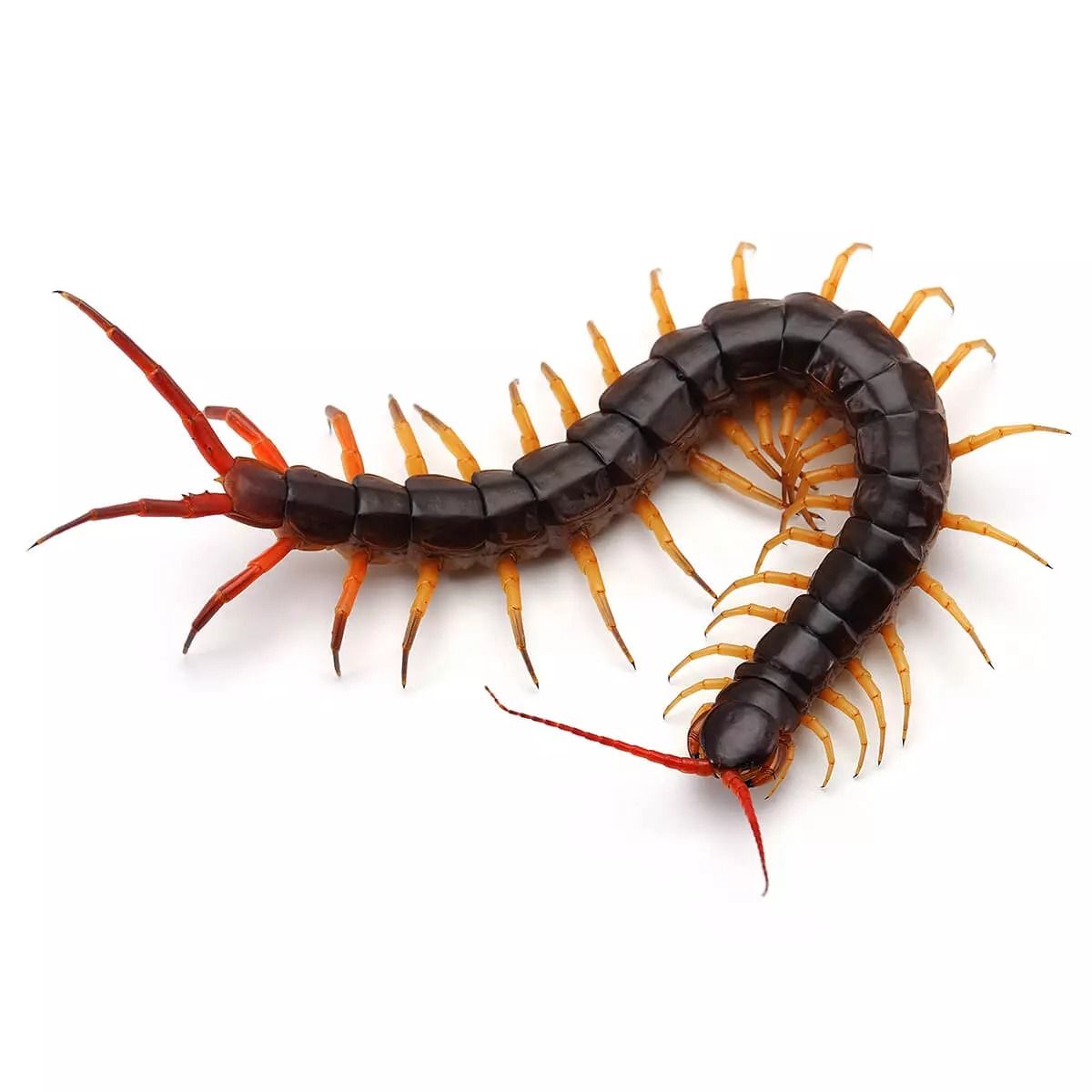
Identification
Colour :
Brown to reddish-brown or yellowish, sometimes darker or lighter along body segments.
Size :
2–5 cm for common species, up to 30 cm in some types.
Description :
Long, flattened body with many segments, one pair of legs per segment, antennae, and venomous claws for hunting small insects.
Quick Links
How to Identify Bed Bugs ?
Bed bugs are small, oval-shaped pests that can grow up to 4-5 mm long when fully matured. With a flattened body, these insects have a distinctive color, ranging from rust brown to a deep reddish-brown. Due to their flattened bodies, bed bugs can easily hide in small, hard-to-reach areas such as cracks in walls, baseboards, under carpets, behind loose wallpaper, bed frames, sofas, and even behind picture frames.
Their ability to hide in tight spaces makes them particularly difficult to spot. In large infestations, you might also notice a sweet but unpleasant smell as they tend to cluster together.
Ultimate Bed Bug Control Guide
How to Identify Centipedes?
- Elongated, flattened body with many segments.
- One pair of legs per segment.
- Long antennae at the head and venomous claws (forcipules).
- Fast-moving and usually brown, reddish-brown, or yellowish.
Key Signs of Centipedes
- Seeing live centipedes, especially at night (nocturnal).
- Shed skins in corners, under furniture, or in basements.
- Small, brownish tracks or movement marks in damp areas.
- Occasionally, small bite marks if handled (rare).
What to Do if Centipedes Are Found?
- Capture or safely remove them using a jar and paper.
- Clean and dry damp areas to reduce hiding spots.
- Seal cracks, gaps, and entry points around doors and windows.
- Avoid direct handling, as bites can be painful.
How to Prevent Centipede Infestation?
- Keep homes dry; use dehumidifiers in basements.
- Remove piles of leaves, wood, or debris near your home.
- Seal cracks and crevices in walls, floors, and foundations.
- Reduce other pests (insects) that centipedes feed on.
Habitat, Diet, and Behaviour
- Habitat: Dark, damp places like soil, leaf litter, under stones, basements, bathrooms.
- Diet: Insects, spiders, and small arthropods.
- Behaviour : Nocturnal hunters, shy, fast-moving, inject venom into prey.
Quick Links
How to Identify Bed Bugs ?
Bed bugs are small, oval-shaped pests that can grow up to 4-5 mm long when fully matured. With a flattened body, these insects have a distinctive color, ranging from rust brown to a deep reddish-brown. Due to their flattened bodies, bed bugs can easily hide in small, hard-to-reach areas such as cracks in walls, baseboards, under carpets, behind loose wallpaper, bed frames, sofas, and even behind picture frames.
Their ability to hide in tight spaces makes them particularly difficult to spot. In large infestations, you might also notice a sweet but unpleasant smell as they tend to cluster together.
Key Signs of Bed Bugs
If you suspect a bed bug infestation, or want to proactively check, look out for these signs :
- Live or Dead Bugs : Check common hiding spots for visible bed bugs or their dead bodies.
- Molting Skins : As bed bugs grow, they shed their skins multiple times. These discarded exoskeletons may be visible in infested areas.
- Fecal Spots : Bed bugs leave behind small spots of reddish-black fecal matter on your mattress, box springs, or bedding after feeding.
- Eggs : Bed bugs lay tiny, off-white eggs (1/32” to 1/8” in size) in crevices near their feeding areas.
- Bites : Bed bug bites are often red and itchy, appearing in clusters or lines. However, the bites are sometimes overlooked or misdiagnosed.
How Do Bed Bugs Spread ?
Bed bugs are excellent hitchhikers. Once they infest an area, they tend to stay put but can spread due to :
- Disturbances : Activities like moving furniture or improper pesticide use can cause bed bugs to spread.
- Food Shortages : If a host is unavailable, bed bugs will migrate to neighboring rooms or apartments.
- Movement of Infested Furniture : Furniture or other infested items moved around can spread the pests.
- Vacuuming : Using a vacuum cleaner across multiple rooms can accidentally transfer bed bugs.
- Commercial Laundry : Bed bugs can spread through shared laundry facilities or machines.
What to Do if You Find Traces of Bed Bugs ?
Do Not :
- Disturb the Room Further : Leaving the area undisturbed will help us properly diagnose the problem.
- Remove Items from the Room : Moving items may spread the infestation further.
Do :
- Quarantine the Room : Avoid using the room until professional help arrives.
- Contact a Professional : Call Wonder Pest Control immediately to inspect and treat the affected area.
- Relocate Guests : If the infested area is occupied, relocate people to a clean room away from the infestation.
How to Prevent Bed Bug Infestation ?
Preventing a bed bug infestation is key to maintaining a pest-free environment. Follow these steps to reduce the risk :
- Check for Live or Dead Bugs : Inspect beds and surrounding furniture for visible bugs or their molted skins.
- Look for Red Spots : Check for reddish spots (fecal matter) on your sheets and mattress.
- Regular Cleaning : Vacuum bedrooms regularly to remove potential hiding spots and check seams, crevices, and folds for eggs or bugs.
- Use Bed Bug Covers : Protect mattresses and box springs with certified bed bug encasements.
- Inspect Furniture : Check all furniture, especially near sleeping areas, for signs of bed bugs.
- Seal Cracks and Crevices : Ensure that all cracks in walls, trim, and bed frames are sealed to prevent entry.
Understanding Bed Bugs : Habitat, Diet, and Behavior
- Lifecycle : Bed bugs undergo gradual metamorphosis, transitioning from eggs to nymphs to adults. Female bed bugs lay 200-500 eggs in her lifetime, often in dark crevices near feeding areas. Eggs hatch within 6-17 days, and the bugs can survive up to a year without feeding.
- Bed Bug Bites : Bed bug bites can result in red, itchy welts, though not everyone reacts to them. For some, the bites may cause minimal itching or no reaction at all. The common reaction includes small, itchy bumps that often appear in clusters or lines, but some may experience delayed reactions or no symptoms at all.
Commonly Asked Questions About Bed Bugs
Why Do I Have Bed Bugs?
Bed bugs are resurging in Canada, and even the cleanest homes can fall victim. These pests are attracted to the carbon dioxide and warmth humans emit, which makes them common in places like multi-unit buildings, hotels, and apartments. They hitchhike on luggage, secondhand furniture, or personal belongings like purses or laptop bags.
Why Are Bed Bugs Back?
Bed bugs never truly left. Due to factors such as increased international travel, reduced pesticide use, and the move away from older chemicals like DDT, bed bugs have made a strong comeback. Their ability to hide and spread has made them a tough pest to eliminate.
How Serious Are Bed Bugs?
Bed bugs are not just a nuisance—they reproduce rapidly, with females laying up to 500 eggs in their lifetime. In a short time, a few bed bugs can multiply into a full-blown infestation. Since adults can survive without feeding for over a year, it’s crucial to act quickly.

Residential Services
Shield Your Home from Unwanted Pests with Personalized Treatment Plans
Guaranteed Satisfaction or Your Money Back
At Wonder Pest Control, your peace of mind is our top priority. We stand behind the quality of our work with a clear and confident promise — if you’re not completely satisfied with our service, we’ll make it right.
Eliminate Pests and Prevent
Future Infestations
At Wonder Pest Control, we take great pride in our services to keep your house free of centipedes. Our experts will analyze your property thoroughly to figure out what kind of treatment it will need and give you the solutions to stop the centipedes coming back again. Contact us now for a free, no, obligation quote for a tailor, made plan of centipede control.
Request a Free Business Consultation