Common Pests in Landfills & Recycling Facilities
Birds
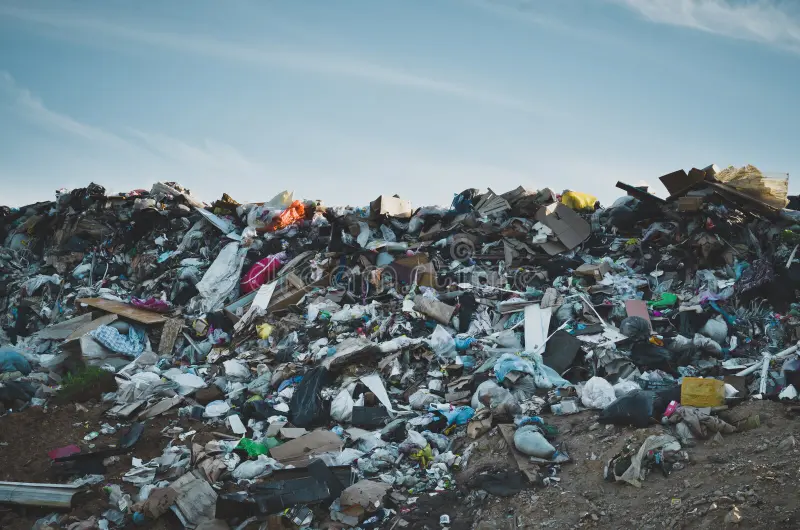
Waste management facilities such as landfills, recycling centres, and transfer stations often face ongoing pest problems. The presence of strong odours, excess moisture, and decomposing organic waste creates ideal conditions for pests to breed and multiply.
Rodents, flies, cockroaches, and other pests are commonly attracted to these environments, which can lead to health risks, operational disruptions, and damage to equipment and infrastructure.
Wonder Pest Control provides specialized pest management solutions designed for waste management facilities. Our experienced team helps identify pest activity, eliminate infestations, and implement preventive measures to keep your operations clean, safe, and pest-free.
Partnering with a professional pest control provider ensures your facility remains protected while maintaining hygiene, safety, and regulatory standards.
Filth Flies
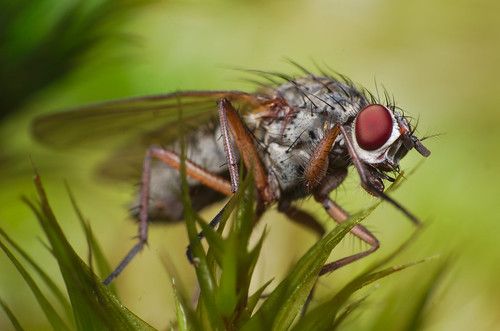
Filth flies, including house flies, blow flies, bottle flies, and flesh flies, are commonly found in landfills and other waste management facilities. These pests are attracted to decaying organic waste, where they feed and reproduce.
Because filth flies have short life cycles and reproduce quickly, their populations can grow rapidly, especially during warmer months. Large numbers of flies can become a serious nuisance within waste management sites.
In addition to being bothersome, filth flies can also carry bacteria and other harmful pathogens, creating potential health risks for employees and increasing the chance of contamination within the facility. Effective fly control and monitoring are essential to help maintain a clean, safe, and efficient waste management operation.
Small Flies
Small flies such as fruit flies, dark-eyed fruit flies, phorid flies, and sphaerocerid flies (also known as small dung flies) can be a common nuisance in waste management and landfill facilities.
These pests are attracted to moist, decaying organic materials, which are frequently present in waste handling environments. Such conditions provide ideal breeding grounds as well as a steady food source, allowing small fly populations to grow quickly.
If small flies enter indoor areas, they may become a contamination risk. These pests can carry bacteria from decomposing waste and spread it to surfaces in areas such as employee break rooms or food preparation spaces. Effective monitoring and pest control measures are essential to reduce fly activity and maintain a clean and safe facility.
Subterranean Termites
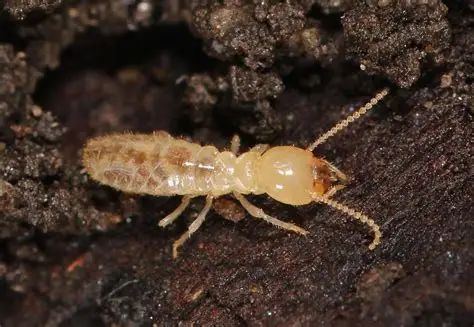
Subterranean termites can become a concern for waste management facilities that handle or store wood materials and wood-based waste products. These pests may enter landfill or recycling sites through infested wood that has been brought onto the property.
Once termites establish a colony and gain access to a steady food source, their populations can grow quickly and become difficult to control. Over time, termite activity can cause serious damage to wooden structures, storage areas, and facility infrastructure.
If termites infest important wooden structures within a waste management facility, they may weaken the structure and create potential safety hazards for employees and operations. Professional termite inspection and control services help detect infestations early and protect your facility from costly structural damage.
Cockroaches
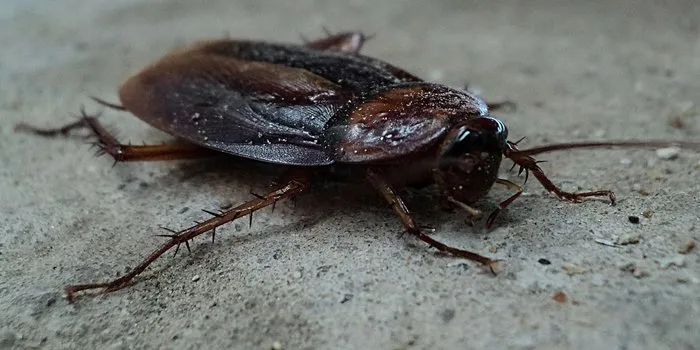
Cockroaches are commonly found in landfills and waste management facilities where organic waste and animal-related materials are present. These pests feed on a wide range of substances, including decaying organic matter, animal remains, feathers, droppings, and even the larvae of other insects.
Because cockroaches thrive in environments with abundant food, moisture, and shelter, waste management sites can easily support large cockroach populations if proper pest control measures are not in place.
Cockroaches are highly unhygienic pests and may carry bacteria and other harmful pathogens. If they enter indoor areas such as employee break rooms or food storage spaces, they can contaminate surfaces and food. Large cockroach infestations can also create an uncomfortable environment for employees.
Wonder Pest Control provides professional cockroach control solutions to help waste management facilities reduce infestations and maintain a clean, safe, and pest-free environment.
Mice And Rats
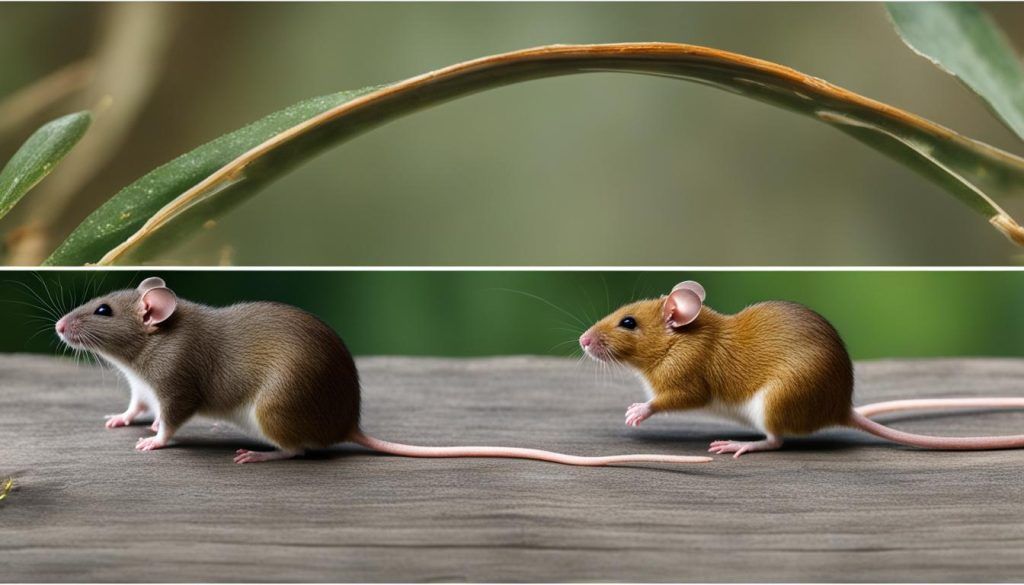
Rodents such as rats and mice are commonly found in landfills and other waste management facilities because these environments provide easy access to food and shelter. The abundance of organic waste in these locations allows rodent populations to grow quickly, often with little competition for food.
As rodent populations increase, they may also attract predatory pests such as birds, which can lead to larger pest problems that may disrupt waste management operations.
Waste management sites also provide ideal hiding and nesting areas for rodents. They can burrow into waste piles and surrounding areas, where they remain protected from predators. During colder months, the layers of waste can even provide insulation and warmth, allowing rodents to survive and reproduce.
Rodents pose serious risks to facilities. In addition to spreading diseases, they can damage structures, chew through equipment wiring and electrical cables, and potentially create fire hazards. Rodents may also carry parasites such as fleas, ticks, and mites, which can bite employees and further increase health risks.
Wonder Pest Control offers professional rodent management solutions to help waste management facilities control infestations and maintain a safe, clean, and pest-free environment.
Wasps
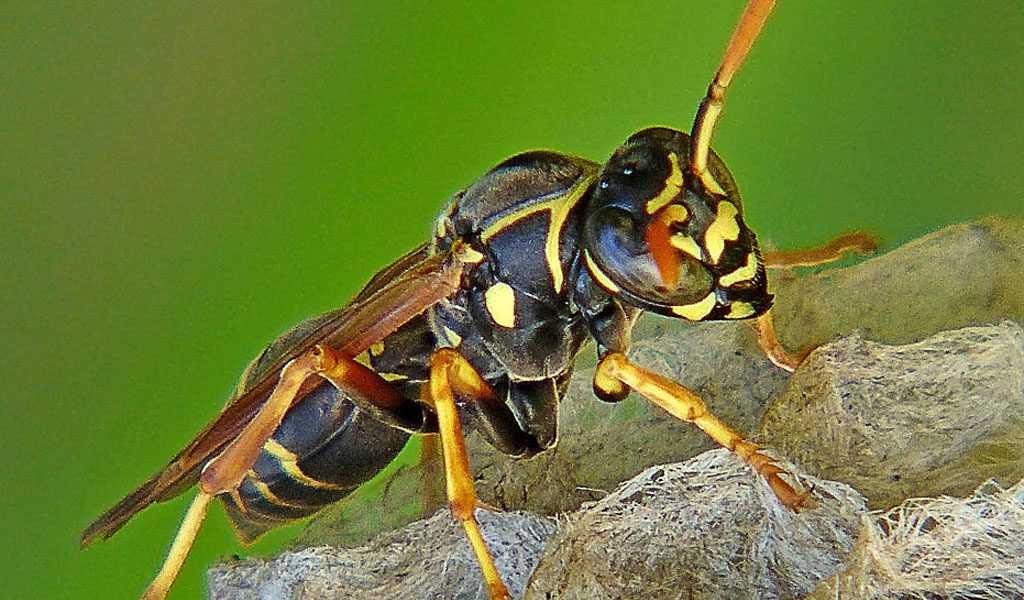
Wasps are often found in waste management facilities and landfill sites, especially in areas where garbage and organic waste are exposed. These pests are attracted to such environments because they feed on insects like filth flies that breed in waste, and they may also scavenge directly from open garbage.
In addition to being a nuisance, wasps can pose a serious safety risk to employees. Wasps are known to be territorial and may become aggressive if their nests are disturbed.
Wasp stings can be painful, and for individuals who are allergic to wasp venom, a sting can lead to severe allergic reactions and potentially life-threatening situations.
Wonder Pest Control provides professional wasp control services to help waste management facilities identify nests, reduce wasp activity, and maintain a safe working environment for employees.
Raccoons
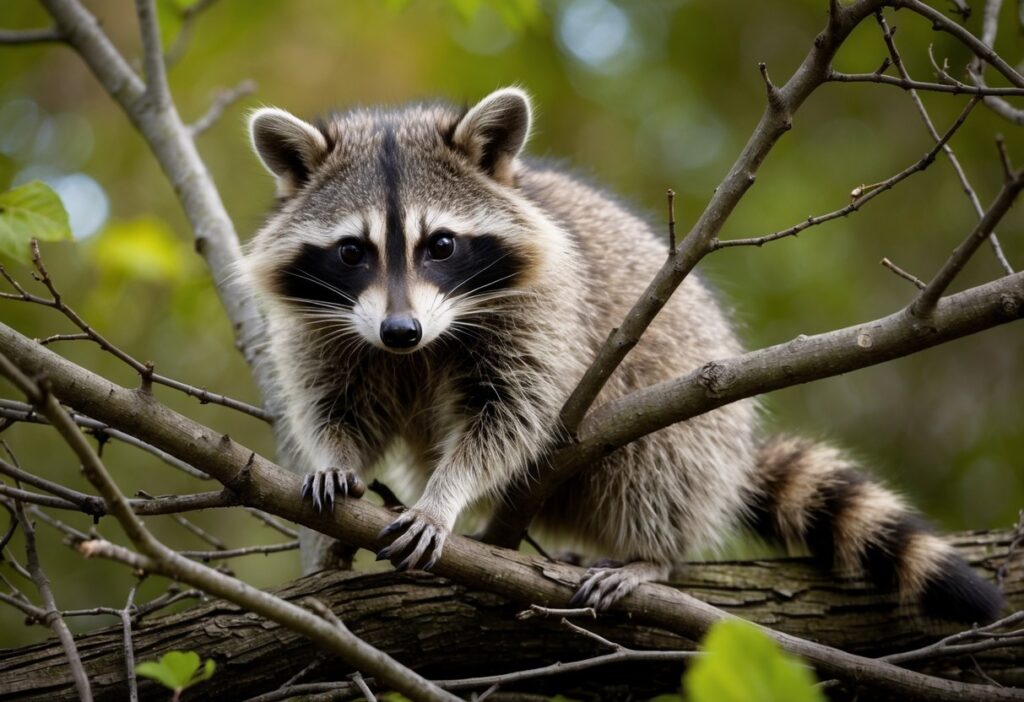
Raccoons are well-known scavengers that are attracted to easily accessible food sources. Waste management facilities that contain exposed garbage and organic waste can provide ideal environments for raccoons to feed, shelter, and reproduce.
Because these locations offer abundant food and limited disturbance, raccoon populations can grow quickly around landfill and recycling sites.
Raccoons can cause several problems for waste management operations. They may damage equipment, tear open waste containers, and create messes while searching for food. In addition, raccoons can carry parasites such as ticks, fleas, and lice, which may pose health risks to employees working in the facility.
Wonder Pest Control offers professional wildlife management solutions to help control raccoon activity and protect waste management facilities from wildlife-related damage and health risks.
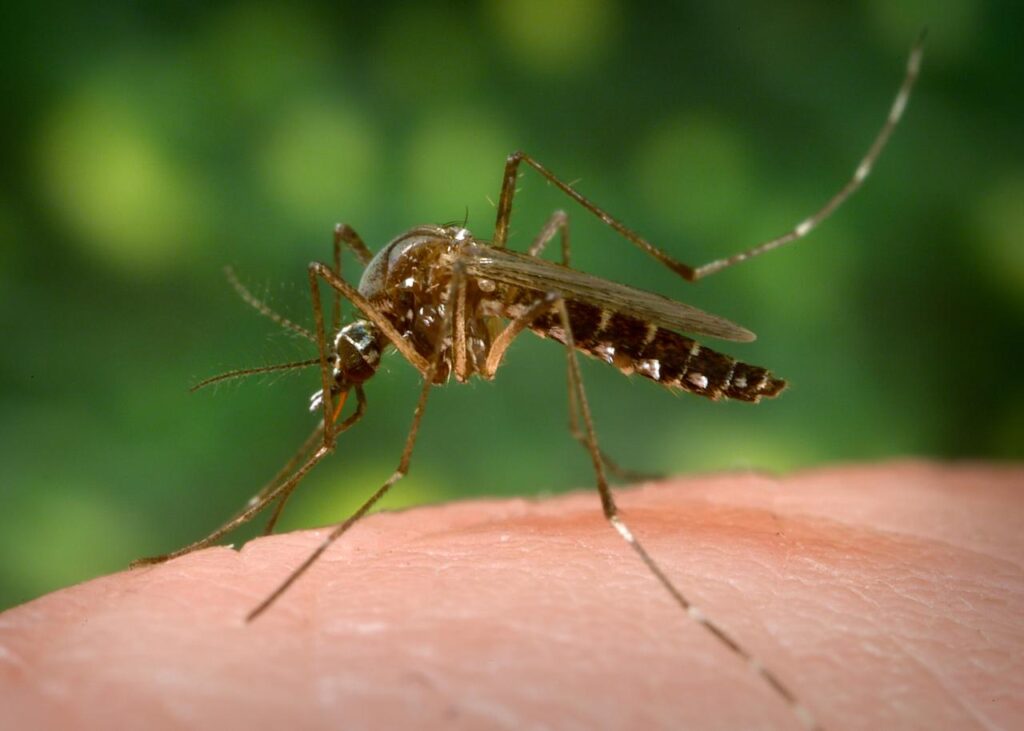
Mosquitos and Midges
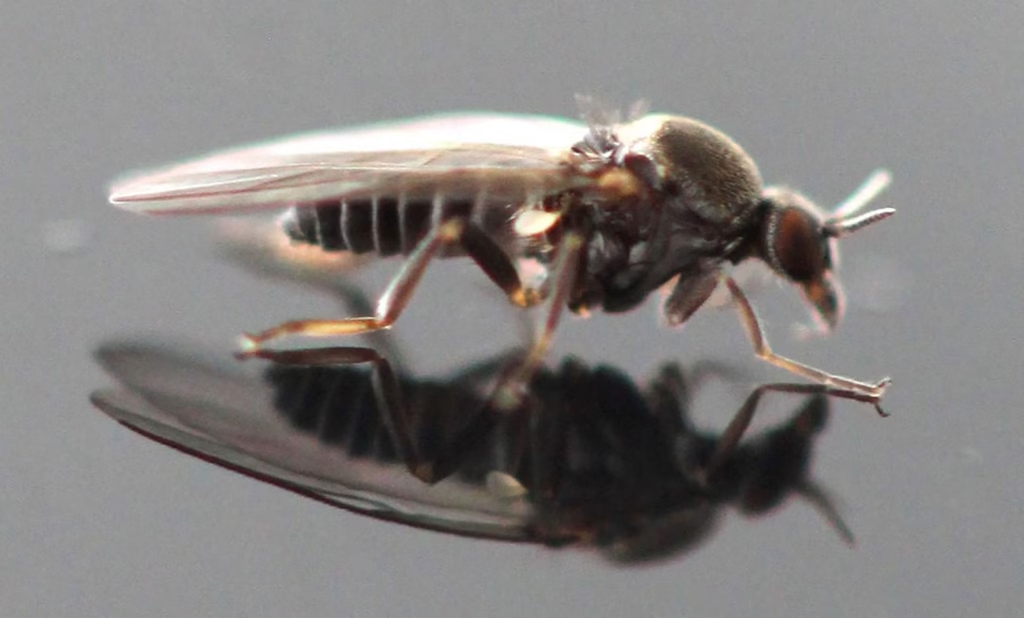
Mosquitoes and midges are common pests in waste management facilities, especially in areas where the ground is uneven or where water can collect. Standing water in recycling containers, equipment, or other items on-site can create ideal breeding conditions for these insects.
These pests typically look for locations with stagnant or standing water, as this is where they lay their eggs and develop.
Mosquitoes and midges can become a serious nuisance for employees working at waste management sites. In addition to being irritating, certain mosquito species may carry and transmit harmful diseases such as West Nile virus, Zika virus, and encephalitis.
Wonder Pest Control provides professional mosquito management solutions to help reduce breeding sites and control mosquito populations, helping maintain a safer and more comfortable environment for your employees.