
Ants
Identification, Habits, and Potential Problems Caused by Ants
Identification
Colour :
Approximately 1.5 mm to 13 mm in length
Size :
Commonly black, dark brown, red, or tan, depending on the species
Description :
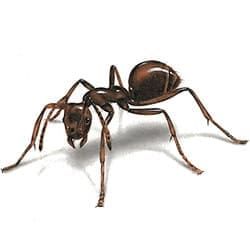
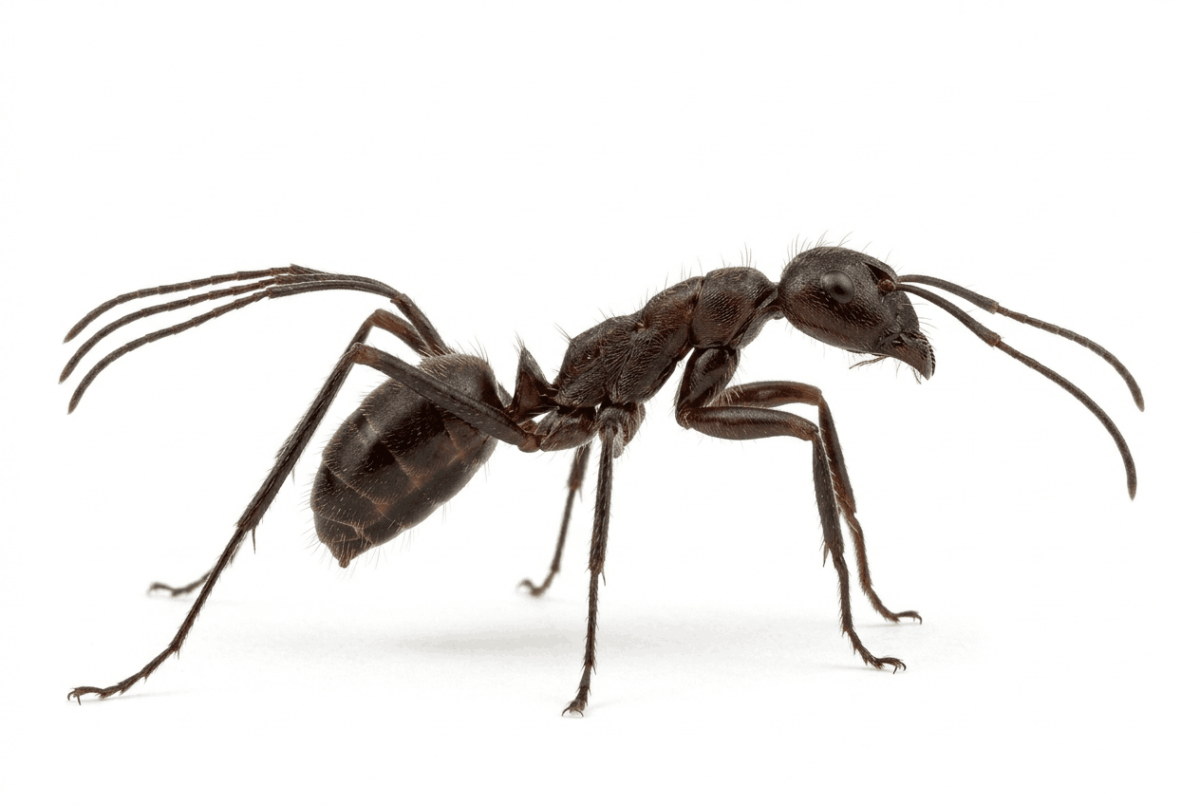
Ants have three main body sections head, thorax, and abdomen connected by narrow nodes. They have six legs, and only reproductive ants develop wings. Ants vary in size and colour depending on the species.
Note :
Canada is home to over 100 ant species, some of which can damage structures and nest in or around homes.
Quick Links
How to Identify Bed Bugs ?
Bed bugs are small, oval-shaped pests that can grow up to 4-5 mm long when fully matured. With a flattened body, these insects have a distinctive color, ranging from rust brown to a deep reddish-brown. Due to their flattened bodies, bed bugs can easily hide in small, hard-to-reach areas such as cracks in walls, baseboards, under carpets, behind loose wallpaper, bed frames, sofas, and even behind picture frames.
Their ability to hide in tight spaces makes them particularly difficult to spot. In large infestations, you might also notice a sweet but unpleasant smell as they tend to cluster together.
Ultimate Bed Bug Control Guide
Ant Species Commonly Found in Canada
Many ant species are found throughout Canada, including black carpenter ants, pavement ants, pharaoh ants, odorous house ants, Argentine ants, and thief ants. Among these, carpenter ants, pavement ants, and pharaoh ants are responsible for the majority of reported ant-related issues. Black carpenter ants are the largest of these species and are especially known for causing structural damage by tunnelling through wood. Pavement ants are often regarded as a nuisance depending on where their nests are established, particularly when nesting indoors. Pharaoh ants are another common species and are typically attracted to foods high in protein and sugar.
Once ants establish a colony, they can be difficult to eliminate. Management and control become necessary when ant activity is frequently observed or when nests are located nearby. Identifying the specific ant species is an important first step before choosing a control method. Basic knowledge of ant appearance, behaviour, nesting habits, and the types of problems they cause helps ensure the most effective and appropriate control approach is used.
Identifying Ants by Appearance
Ants are typically easy to identify and are most commonly black, dark brown, red, or tan in colour. Their size varies by species, ranging from approximately 1.5 mm to 13 mm in length. Like all insects, ants have three distinct body sections: the head, thorax, and abdomen. The thorax connects to the abdomen through narrow segments called petioles, or nodes, with some species having one node and others having two. Ants have six legs used for movement, and wings are only present on reproductive ants, known as swarmers, which develop two pairs of functional wings for mating and dispersal.
Habitat, Diet, and Life Cycle of Ants
Habitat
Ants are highly social insects that live in organized colonies, often numbering in the hundreds of thousands. Most species build their nests in soil, while others such as carpenter ants excavate wood to form nesting chambers. A typical colony is made up of three social castes: the queen, workers, and drones. Most colonies are led by a single queen, though some species support multiple queens within the same nest. The queen’s primary role is egg production and regulating colony behaviour through chemical signals called pheromones. Worker ants are the most commonly seen outside the nest during non-swarming periods, as they are responsible for locating and transporting food back to the colony. Their search for food often brings them into contact with human environments, as they are attracted to a wide variety of food sources, especially sugary items, meats, and greasy residues.
Diet
Ants have a highly adaptable diet that varies by species and environment. Workers forage continuously to supply the colony with nourishment, collecting foods rich in sugars, proteins, and fats. Common food sources include plant-based sugars, insects, meats, and household food scraps. Once collected, food is carried back to the nest and shared among colony members, including the queen and developing young. This cooperative feeding system allows ant colonies to thrive in a wide range of habitats and contributes to their ability to establish large, resilient populations.
Life Cycle
The ant life cycle begins when a queen lays eggs after mating with a male during a reproductive flight. These eggs are extremely small typically around 0.5 mm and are white and translucent, making them difficult to detect. Within one to two weeks, the eggs hatch into larvae, which resemble tiny grubs. Worker ants feed the larvae by regurgitating partially digested food.
As the larvae mature, they shed their outer skin and enter the pupal stage. Pupae appear similar to adult ants but are pale in colour, with their legs and antennae folded against their bodies. Over time, the pupae darken and develop into adult ants. These adults emerge as workers, drones, or new queens.
Wingless worker ants immediately begin maintaining the colony and foraging for food. New queens and male drones develop wings and leave the nest during a mating flight. After mating, males die shortly thereafter, while queens shed their wings, establish new nests, and begin laying eggs. Queens can live for decades sometimes up to 30 years while workers may live for several years, and drones typically survive only a few weeks.
Do Ants Bite Humans?
Ants have mouthparts designed for biting and chewing solid materials. While some species have strong jaws capable of breaking human skin, most ants are not able to bite people. Certain species, such as black carpenter ants, may bite when they feel threatened or disturbed. Other species, including European fire ants, are known to sting and inject formic acid, which causes a burning or painful sensation at the sting site. Overall, the majority of ant species found in Canada rarely bite or sting humans.
Why Do Some Ants Have Wings?
Ant colonies operate within a structured social system made up of thousands of worker ants that maintain the nest, gather food, care for developing young, and defend one or more queens. The queen’s primary role is reproduction, ensuring the survival and growth of the colony. Most new colonies begin when reproductive ants leave an established nest, mate, and start a new colony elsewhere.
Reproductive ants known as alates are the only ants that develop wings. These include future queens and male ants, while worker ants remain wingless. During a natural event called a nuptial flight, winged ants emerge from their colony in response to specific environmental conditions such as temperature and humidity. These ants fly to new locations where mating occurs, either in the air or on the ground. After mating, queens shed their wings, locate a nesting site, and begin laying eggs. Male ants die shortly after mating, as their sole purpose is reproduction.
Finding winged ants indoors, especially during colder months, often indicates the presence of an established colony nearby and may signal the need for professional evaluation.
Problems Associated With Ant Infestations
Ants can be an unwelcome sight and a persistent nuisance when they appear indoors. Certain species, such as pharaoh ants, have been linked to the spread of harmful pathogens, particularly in sensitive environments like hospitals and long-term care facilities. Ants that nest outdoors can also cause damage to lawns, gardens, and landscaped areas.
When ants establish nests inside buildings, they may damage materials such as wood, insulation, and even electrical wiring while expanding their colonies. Some ant species are capable of delivering painful stings, and in certain individuals, reactions may include swollen skin, cramps, or headaches caused by ant venom
Ant Infestations Inside Buildings
Ant species that thrive near human activity often establish colonies close to populated areas, which increases the likelihood of ants entering buildings across Canada.
Foraging ants are drawn indoors by accessible food sources such as crumbs, sugary substances, grease, and pantry items. Once inside, they can quickly contaminate food supplies. Ants typically enter through small cracks in walls or foundations, as well as gaps around doors, windows, moulding, and plumbing fixtures.
When food is discovered, scout ants leave behind invisible scent trails that guide large numbers of ants from the colony into the structure, allowing infestations to grow rapidly if not addressed.
Why Are Ants Present in Buildings?
Canada is home to more than 100 ant species, including black carpenter ants, pavement ants, pharaoh ants, odorous house ants, Argentine ants, and thief ants. Many of these species commonly live close to human environments, increasing the chance of encounters.
Ants enter buildings while searching for food sources such as crumbs, sugary substances, grease, and other accessible edibles. Even small spills or uncovered food can attract foraging ants. They typically gain access through tiny cracks in walls or foundations, as well as gaps around moulding, doors, windows, and plumbing connections.
Once a food source is found, scout ants leave behind invisible chemical trails that guide additional ants from the colony, allowing large numbers to follow the same path into the structure.
How to Help Prevent Ant Infestations
Reducing the risk of ants entering your space starts with good sanitation. Keep areas clean, store food in tightly sealed containers, and promptly wipe up crumbs or spills. Regularly sweeping floors and rinsing food containers before recycling can also help eliminate attractants.
Maintaining the structure is equally important. Repair cracks in walls and foundations, and ensure doors, windows, and other entry points are properly sealed to prevent ants from gaining access.
Should Ant Infestations Be a Concern?
Ants are often considered a nuisance, but their presence can lead to food contamination and unsanitary conditions. Certain species, such as pharaoh ants, have also been associated with the spread of disease, particularly in sensitive environments like hospitals and long-term care facilities.
When ants establish nests outdoors, they can damage lawns, gardens, and landscaped areas. Indoor nesting can be more serious, as ants may chew through wood, insulation, and even electrical wiring while expanding their colonies.
Some ant species are capable of delivering painful stings. In certain individuals, ant venom may cause skin inflammation, headaches, or muscle cramps. Additionally, some ant colonies grow rapidly, making infestations increasingly difficult to control over time. Professional pest management may be necessary to effectively stop the spread and prevent recurring ant problems.
Types of Ants
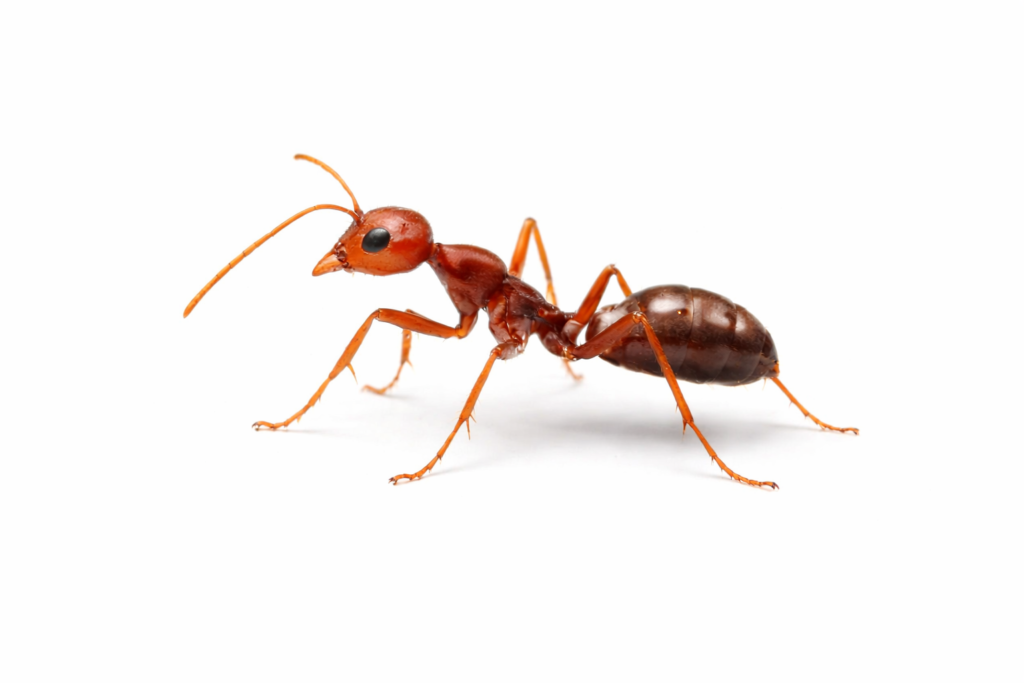
Acrobat Ants
Reddish or Black
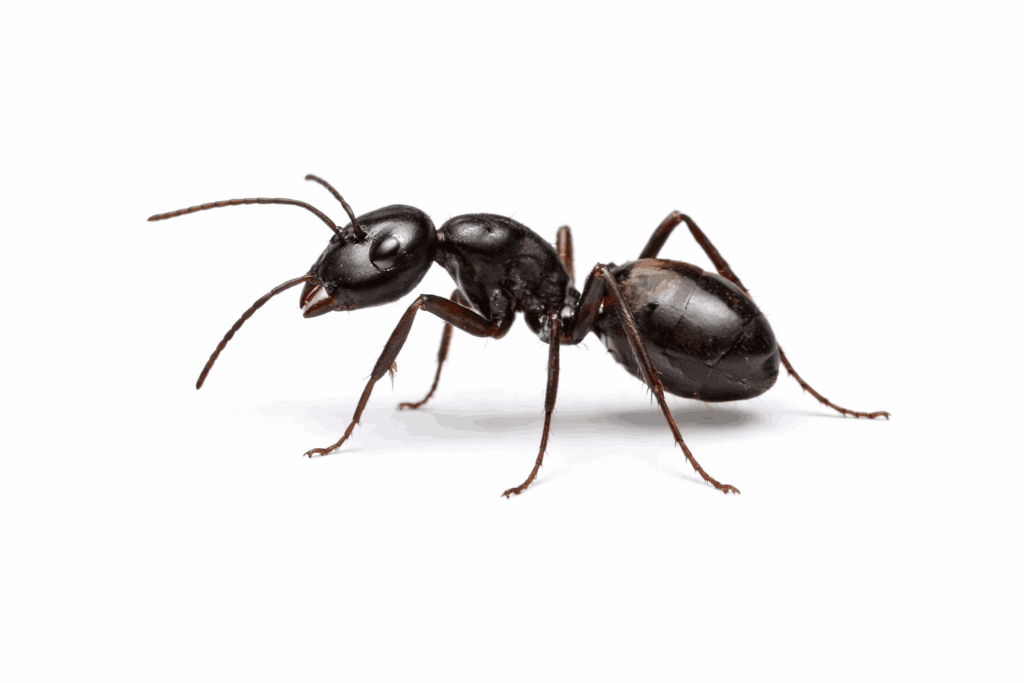
Carpenter Ants
Large , Black
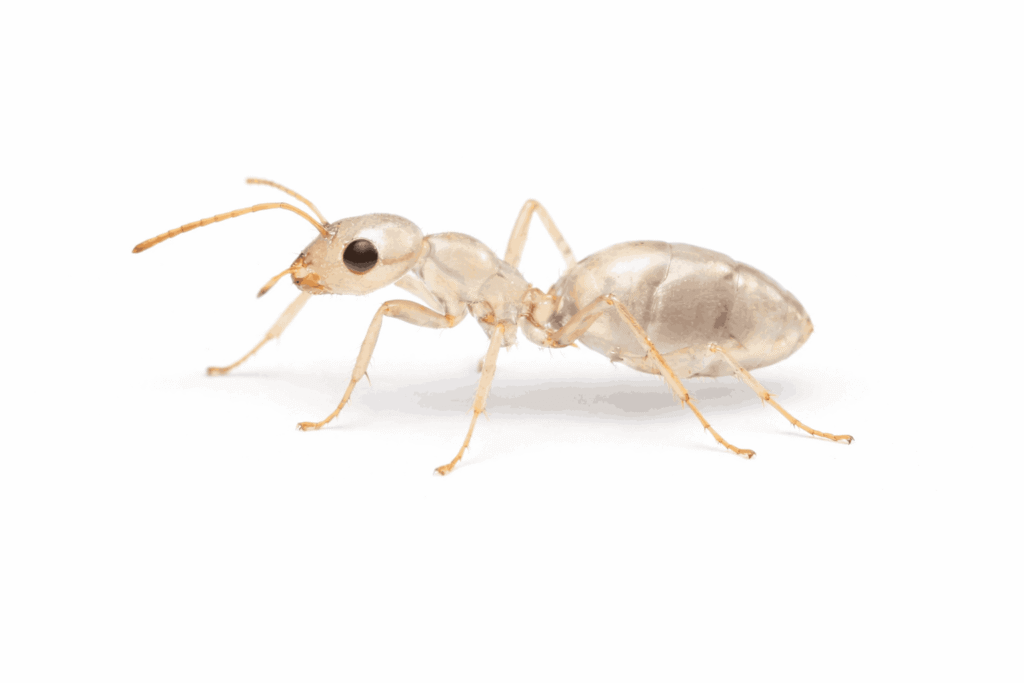
Ghost Ants
Tiny , pale
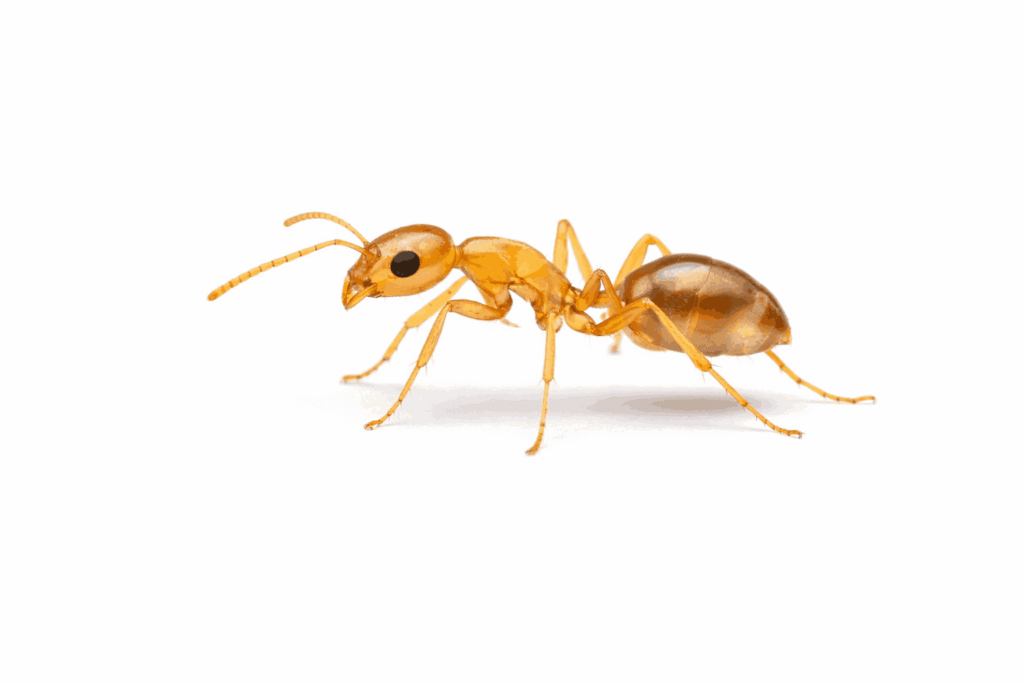
Thief Ant
Small , Yellow or Brown
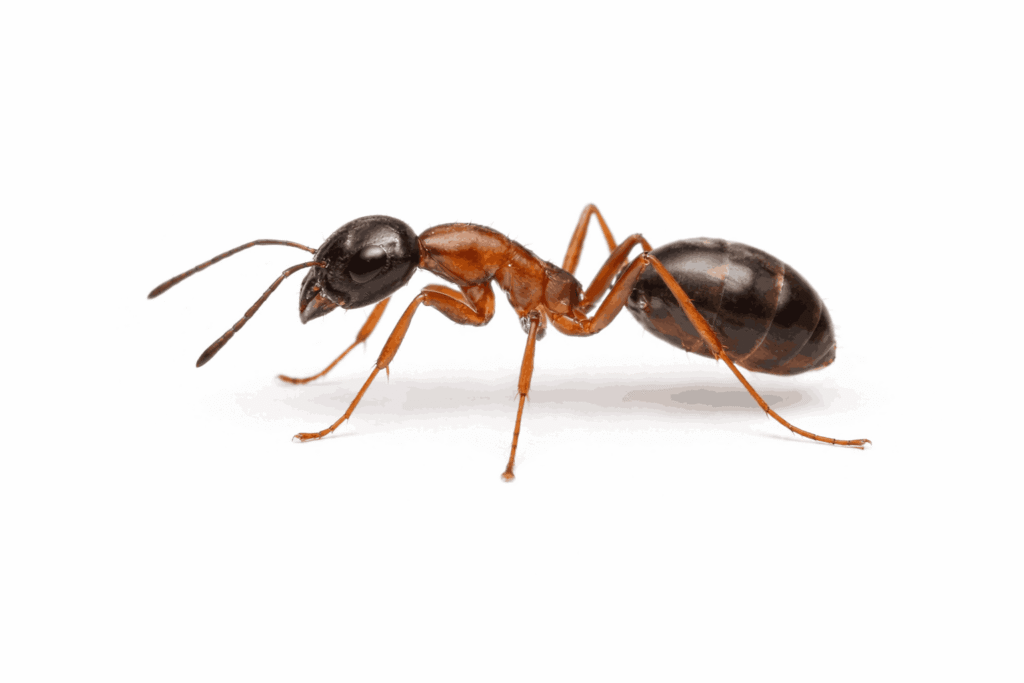
Field Ant
Black and reddish-brown
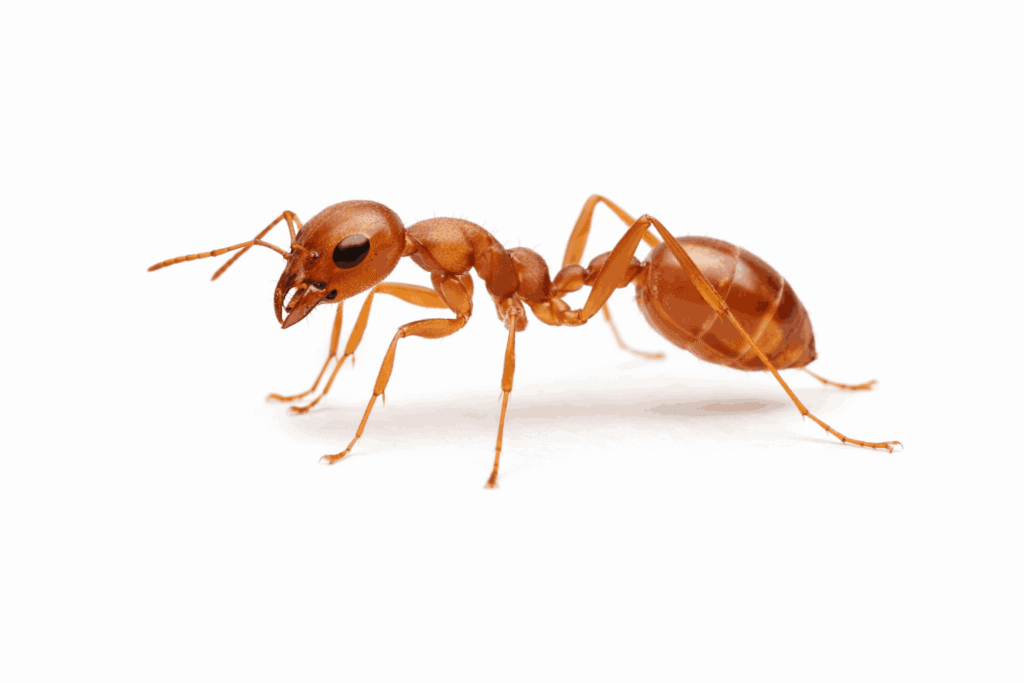
Harvester Ant
Reddish or dark brown
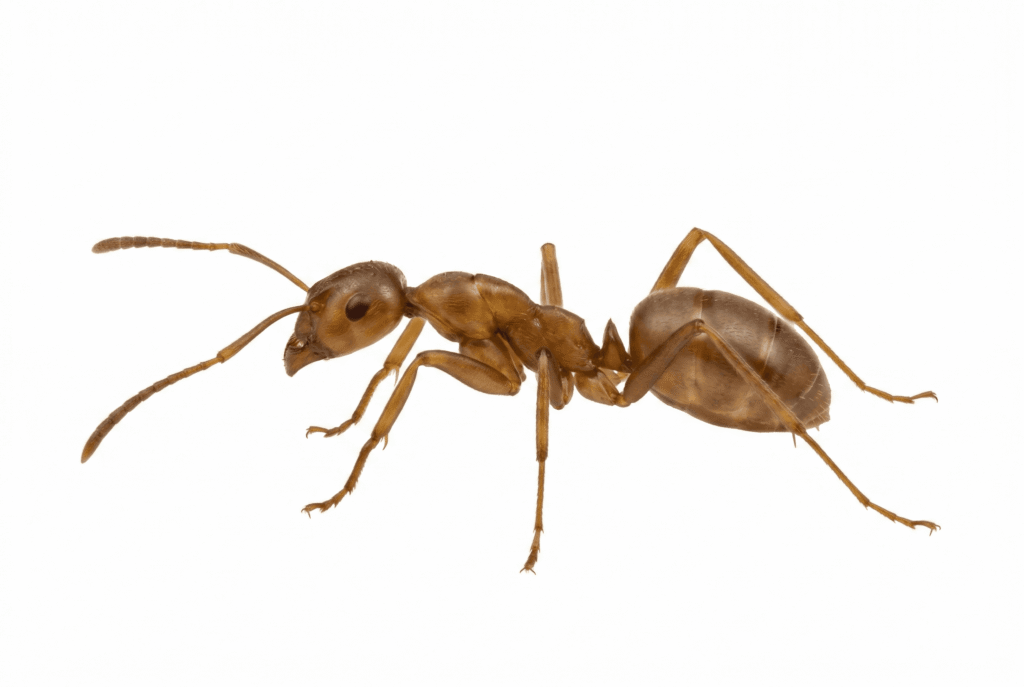
Argentine Ant
Small, light brown ants
Crazy Ant
Dark brown or black
Quick Links
How to Identify Bed Bugs ?
Bed bugs are small, oval-shaped pests that can grow up to 4-5 mm long when fully matured. With a flattened body, these insects have a distinctive color, ranging from rust brown to a deep reddish-brown. Due to their flattened bodies, bed bugs can easily hide in small, hard-to-reach areas such as cracks in walls, baseboards, under carpets, behind loose wallpaper, bed frames, sofas, and even behind picture frames.
Their ability to hide in tight spaces makes them particularly difficult to spot. In large infestations, you might also notice a sweet but unpleasant smell as they tend to cluster together.
Key Signs of Bed Bugs
If you suspect a bed bug infestation, or want to proactively check, look out for these signs :
- Live or Dead Bugs : Check common hiding spots for visible bed bugs or their dead bodies.
- Molting Skins : As bed bugs grow, they shed their skins multiple times. These discarded exoskeletons may be visible in infested areas.
- Fecal Spots : Bed bugs leave behind small spots of reddish-black fecal matter on your mattress, box springs, or bedding after feeding.
- Eggs : Bed bugs lay tiny, off-white eggs (1/32” to 1/8” in size) in crevices near their feeding areas.
- Bites : Bed bug bites are often red and itchy, appearing in clusters or lines. However, the bites are sometimes overlooked or misdiagnosed.
How Do Bed Bugs Spread ?
Bed bugs are excellent hitchhikers. Once they infest an area, they tend to stay put but can spread due to :
- Disturbances : Activities like moving furniture or improper pesticide use can cause bed bugs to spread.
- Food Shortages : If a host is unavailable, bed bugs will migrate to neighboring rooms or apartments.
- Movement of Infested Furniture : Furniture or other infested items moved around can spread the pests.
- Vacuuming : Using a vacuum cleaner across multiple rooms can accidentally transfer bed bugs.
- Commercial Laundry : Bed bugs can spread through shared laundry facilities or machines.
What to Do if You Find Traces of Bed Bugs ?
Do Not :
- Disturb the Room Further : Leaving the area undisturbed will help us properly diagnose the problem.
- Remove Items from the Room : Moving items may spread the infestation further.
Do :
- Quarantine the Room : Avoid using the room until professional help arrives.
- Contact a Professional : Call Wonder Pest Control immediately to inspect and treat the affected area.
- Relocate Guests : If the infested area is occupied, relocate people to a clean room away from the infestation.
How to Prevent Bed Bug Infestation ?
Preventing a bed bug infestation is key to maintaining a pest-free environment. Follow these steps to reduce the risk :
- Check for Live or Dead Bugs : Inspect beds and surrounding furniture for visible bugs or their molted skins.
- Look for Red Spots : Check for reddish spots (fecal matter) on your sheets and mattress.
- Regular Cleaning : Vacuum bedrooms regularly to remove potential hiding spots and check seams, crevices, and folds for eggs or bugs.
- Use Bed Bug Covers : Protect mattresses and box springs with certified bed bug encasements.
- Inspect Furniture : Check all furniture, especially near sleeping areas, for signs of bed bugs.
- Seal Cracks and Crevices : Ensure that all cracks in walls, trim, and bed frames are sealed to prevent entry.
Understanding Bed Bugs : Habitat, Diet, and Behavior
- Lifecycle : Bed bugs undergo gradual metamorphosis, transitioning from eggs to nymphs to adults. Female bed bugs lay 200-500 eggs in her lifetime, often in dark crevices near feeding areas. Eggs hatch within 6-17 days, and the bugs can survive up to a year without feeding.
- Bed Bug Bites : Bed bug bites can result in red, itchy welts, though not everyone reacts to them. For some, the bites may cause minimal itching or no reaction at all. The common reaction includes small, itchy bumps that often appear in clusters or lines, but some may experience delayed reactions or no symptoms at all.
Commonly Asked Questions About Bed Bugs
Why Do I Have Bed Bugs?
Bed bugs are resurging in Canada, and even the cleanest homes can fall victim. These pests are attracted to the carbon dioxide and warmth humans emit, which makes them common in places like multi-unit buildings, hotels, and apartments. They hitchhike on luggage, secondhand furniture, or personal belongings like purses or laptop bags.
Why Are Bed Bugs Back?
Bed bugs never truly left. Due to factors such as increased international travel, reduced pesticide use, and the move away from older chemicals like DDT, bed bugs have made a strong comeback. Their ability to hide and spread has made them a tough pest to eliminate.
How Serious Are Bed Bugs?
Bed bugs are not just a nuisance—they reproduce rapidly, with females laying up to 500 eggs in their lifetime. In a short time, a few bed bugs can multiply into a full-blown infestation. Since adults can survive without feeding for over a year, it’s crucial to act quickly.
Residential Services
Shield Your Home from Unwanted Pests with Personalized Treatment Plans
Guaranteed Satisfaction or Your Money Back
At Wonder Pest Control, your peace of mind is our top priority. We stand behind the quality of our work with a clear and confident promise — if you’re not completely satisfied with our service, we’ll make it right.
Eliminate Pests and Prevent
Future Infestations
At Wonder Pest Control, we are dedicated to providing the best pest control services. Our experts take the time to understand your specific needs and offer solutions that prevent pests from coming back. Get a free, no-obligation estimate today for a customized pest control plan designed just for you.